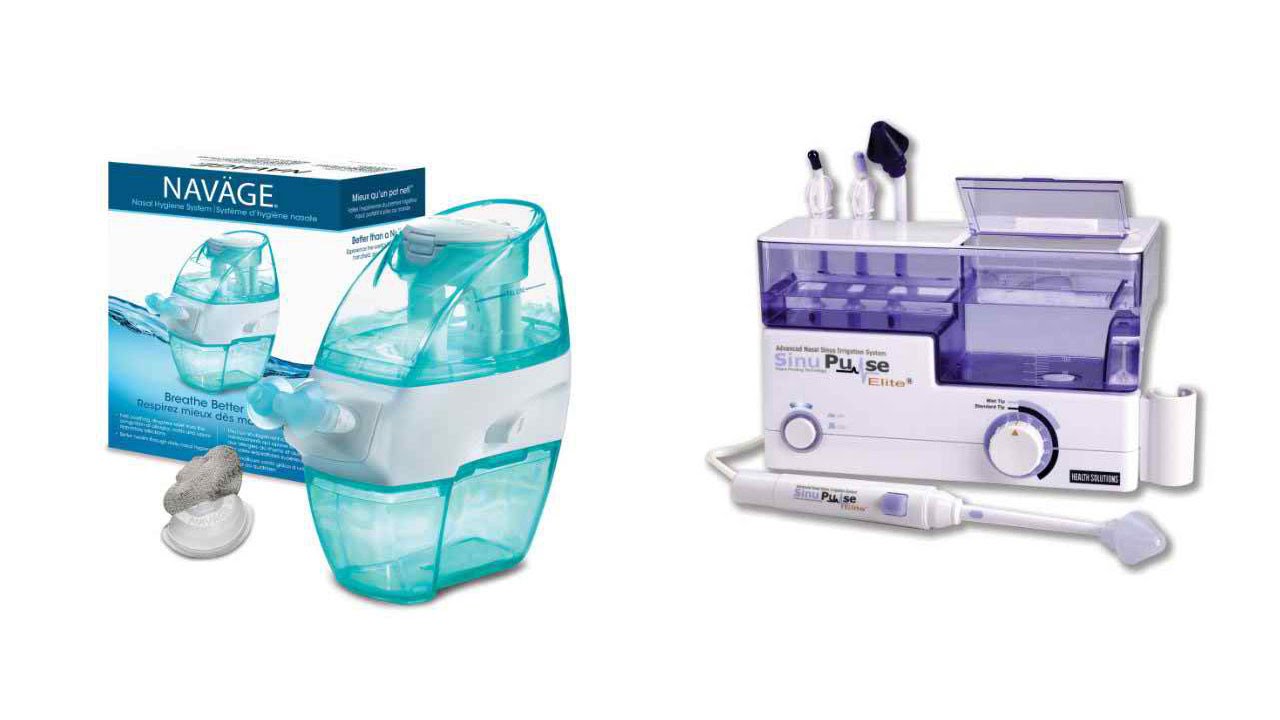
Navigating the Engineering of Relief: A Consultant’s Guide to Sinus Irrigation Systems
In the specialized field of healthcare product management, we often focus on the “hero” metrics: clinical efficacy and regulatory compliance. However, after seven years of coordinating between manufacturing floors and clinical end-users, I’ve learned that the success of a medical device specifically in the respiratory care space hinges on the intersection of material integrity and user ergonomics.
When patients search for the Best Sinus Irrigation Machine – Reviews often highlight pressure settings or reservoir size. But from a product consultant’s perspective, the “best” machine is a complex harmony of supply chain reliability and structural design that ensures long-term hygiene and therapeutic consistency.
Material Science: Why “BPA-Free” is Only the Beginning
In manufacturing coordination, selecting the right polymer for a sinus irrigation device is a high-stakes decision. Most consumer-grade machines utilize ABS or Polypropylene. While these are standard, the professional-grade distinction lies in the porosity of the plastic.
A common mistake I see brands make is prioritizing lower-cost resins that develop micro-fissures after repeated exposure to saline solutions. These microscopic cracks become breeding grounds for biofilm. When evaluating the Best Sinus Irrigation Machine – Reviews should ideally look for medical-grade, high-density polymers that withstand “thermal cycling” the process of being cleaned with warm water repeatedly without degrading the structural seal.
The Engineering of Flow: Beyond Simple Pressure
From a structural design standpoint, the challenge is managing fluid dynamics. In sinus irrigation, “more power” is rarely the answer. In fact, high-pressure streams can lead to “eustachian tube reflux,” where saline is forced into the ear canal, causing discomfort or infection.
The superior design focuses on pulsatile flow technology. By mimicking the natural mucociliary clearance (the body’s own way of moving mucus), these machines provide a rhythmic wave that vibrates the cilia. This is far more effective for allergy and cold relief than a steady, high-pressure stream. When analyzing the Best Sinus Irrigation Machine – Reviews, I always look for a “low-pressure/high-volume” output, which ensures the saline reaches the ethmoid and maxillary sinuses without causing barotrauma.
Professional Insight: The “Over-Engineering” Trap

Consultant Insight: One of the most frequent errors in product positioning is “feature creep.” I’ve seen brands add Bluetooth connectivity or LCD screens to irrigation machines, which significantly increases the “Point of Failure” (PoF). In a humid bathroom environment, complex electronics often fail within 12 months. The most reliable devices the ones that actually help patients manage chronic sinusitis prioritize mechanical simplicity and robust waterproofing (IPX7 ratings) over digital gimmicks.
Supply Chain and Cost Optimization: The Patient’s Burden
As a consultant, I’ve spent considerable time on cost optimization. It is easy to design a high-end machine, but it is difficult to make it accessible. The cost of a sinus machine isn’t just the MSRP; it’s the consumable lifecycle.
Many brands fall into the trap of using proprietary saline pods. While this boosts short-term margins, it often alienates the user. A well-positioned product in this market allows for “open-system” usage—standard saline packets or pharmaceutical-grade salt. Brands that focus on long-term brand positioning rather than immediate “locked-in” revenue usually see higher patient adherence and better clinical outcomes for cold and sinus infection relief.
Common Industry Pitfalls in Design Execution
Throughout my experience in manufacturing coordination, I’ve identified three recurring mistakes that brands make during the production of sinus irrigation units:
- Poor Valve Seals: Using low-grade silicone for the one-way valves. This leads to backflow, where contaminated water returns to the clean reservoir—a major health risk.
- Neglecting “Hand-Feel”: Often, designers forget that users may have wet hands or limited dexterity (especially during a flu or cold). A machine with a smooth, non-textured grip is a design failure.
- Inadequate Protection During Shipping: Because these machines often contain delicate pumps and ceramic oscillators (in the case of ultrasonic variants), standard corrugated packaging isn’t enough. High-density PE foam inserts are essential to prevent “micro-shakes” that misalign the pump during transit.
The Health Care Benefit: A Clinical Perspective
The clinical objective of using the Best Sinus Irrigation Machine – Reviews typically confirms this, is the mechanical debridement of allergens, pollutants, and thickened mucus. By clearing the nasal passage, we reduce the inflammatory load on the body. This is particularly critical for patients with chronic rhinosinusitis who may otherwise over-rely on systemic antibiotics or corticosteroids.
From a product presentation standpoint, we must communicate that irrigation is a preventative maintenance tool, not just an emergency fix. A machine that is easy to clean and aesthetically fits on a vanity is more likely to be used daily, leading to the long-term health benefits the patient seeks.
Final Thoughts on Market Selection
When you are filtering through the Best Sinus Irrigation Machine – Reviews, look past the marketing gloss. Focus on the materials: Is it easy to disinfect? Does the manufacturer have a history of structural integrity? Does the design prioritize the physiological needs of the nasal cavity or just “high-tech” aesthetics?
True quality in healthcare manufacturing isn’t found in a flashy advertisement; it’s found in the reliability of a pump that delivers the same precise pulse on day 500 as it did on day one.