Maintaining a clean home goes beyond daily tidying and quick wipes. Deep cleaning is essential to ensure a healthier, fresher, and more comfortable living environment. In 2026, with increased focus on hygiene, eco-friendly practices, and modern cleaning technologies, deep cleaning has become a priority for homeowners who want their spaces to remain safe, organized, and aesthetically appealing.
This guide provides a comprehensive approach to deep cleaning, covering every room in the house, modern techniques, eco-friendly solutions, and expert tips to save time and achieve the best results.
What is Deep Cleaning?
Deep cleaning is a thorough and systematic process that targets areas often overlooked in regular cleaning routines. Unlike basic cleaning, deep cleaning involves:
-
Removing built-up dust, dirt, and grime from hidden spaces
-
Disinfecting surfaces to reduce germs and bacteria
-
Cleaning appliances, furniture, carpets, and upholstery
-
Organizing cluttered areas for better functionality
Deep cleaning not only improves hygiene but also extends the lifespan of furniture, carpets, and home appliances.
Why Deep Cleaning is Important
Deep cleaning your home offers several benefits:
-
Health Benefits: Dust, allergens, and bacteria accumulate over time. Deep cleaning reduces exposure to irritants that can trigger allergies, asthma, or other health issues.
-
Improved Indoor Air Quality: Thorough vacuuming, dusting, and cleaning of vents and carpets help maintain fresh air indoors.
-
Aesthetic Appeal: Deep cleaning restores surfaces, floors, and furniture, making your home look polished and inviting.
-
Maintenance of Home Assets: Proper care of carpets, kitchen appliances, and furniture extends their lifespan.
-
Stress Reduction: A clean, organized home promotes peace of mind and reduces stress levels.
Deep Cleaning Checklist by Room
Kitchen
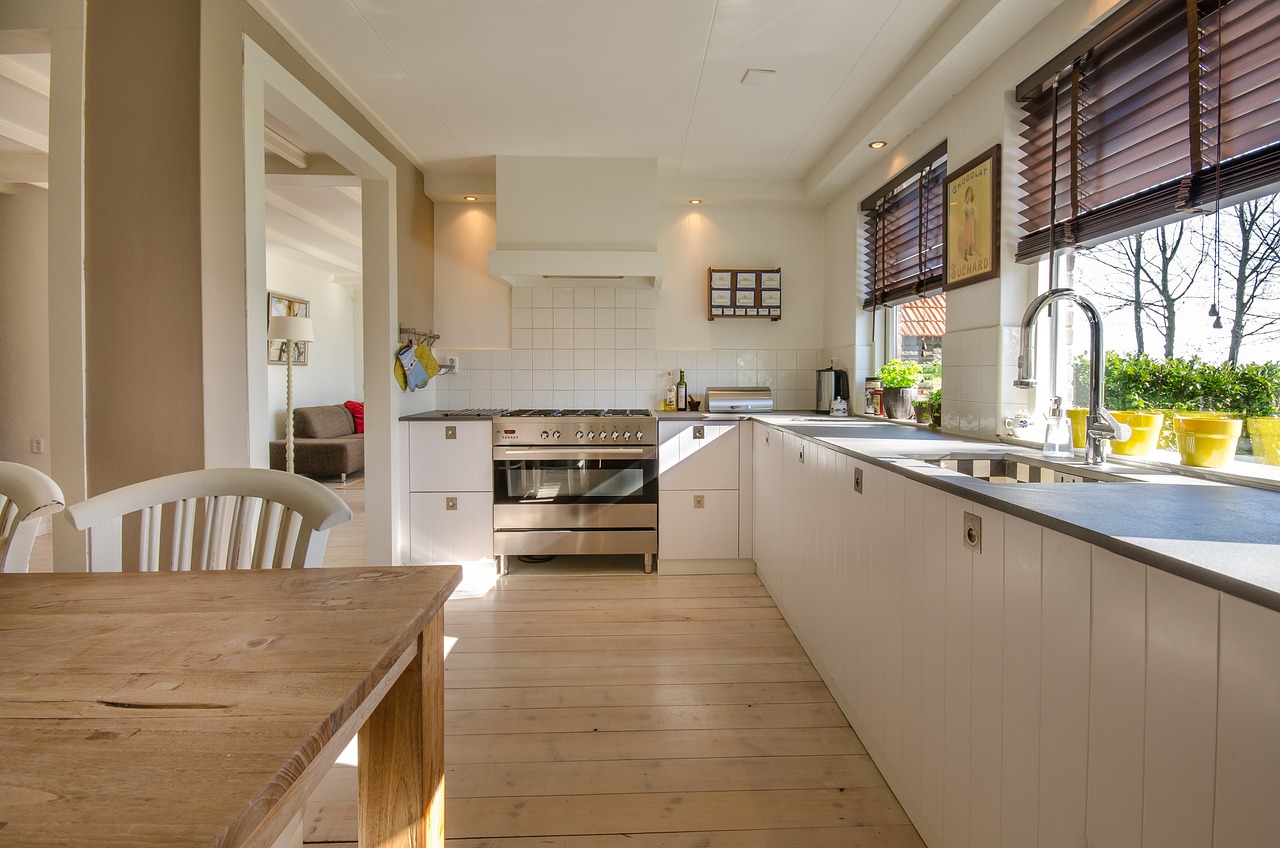
The kitchen is a hub for food preparation and often the dirtiest part of the house. Key tasks include:
-
Clean Appliances: Wipe the inside and outside of ovens, microwaves, refrigerators, and dishwashers. Remove crumbs, grease, and food residues.
-
Scrub Surfaces: Disinfect countertops, sinks, cabinets, and backsplashes using eco-friendly solutions like vinegar and baking soda.
-
Organize Pantry: Check expiration dates, discard stale items, and clean shelves.
-
Floor Care: Mop floors thoroughly and clean under appliances.
Bathroom
Bathrooms require frequent attention due to moisture and bacteria buildup:
-
Disinfect Fixtures: Clean sinks, faucets, toilets, and showers with natural disinfectants or mild cleaners.
-
Scrub Grout and Tiles: Use a mixture of baking soda and vinegar or specialized tile cleaners to remove mold and stains.
-
Clean Mirrors and Glass: Wipe mirrors and glass shower doors with a vinegar-water solution for streak-free shine.
-
Wash Linens: Replace towels, bath mats, and shower curtains regularly to prevent mildew.
Living Room
The living room is a high-traffic area that requires deep cleaning to remove dust and allergens:
-
Vacuum Upholstery: Use a vacuum with a HEPA filter to remove dust and pet hair from sofas, chairs, and cushions.
-
Clean Carpets and Rugs: Steam clean or hire professional services for stubborn dirt and stains.
-
Dust and Polish Furniture: Use microfiber cloths and eco-friendly polish for wooden furniture.
-
Organize Electronics and Cables: Wipe down screens and tidy cables for a neat appearance.
Bedrooms
Bedrooms are personal spaces where cleanliness affects rest:
-
Wash Bedding: Wash sheets, pillowcases, and blankets at high temperatures to remove dust mites.
-
Flip and Rotate Mattresses: Prevent sagging and evenly distribute wear.
-
Clean Under Furniture: Move beds, dressers, and nightstands to vacuum hidden dust.
-
Declutter Closets: Donate or store unused clothing to keep closets organized.
Floors and Carpets
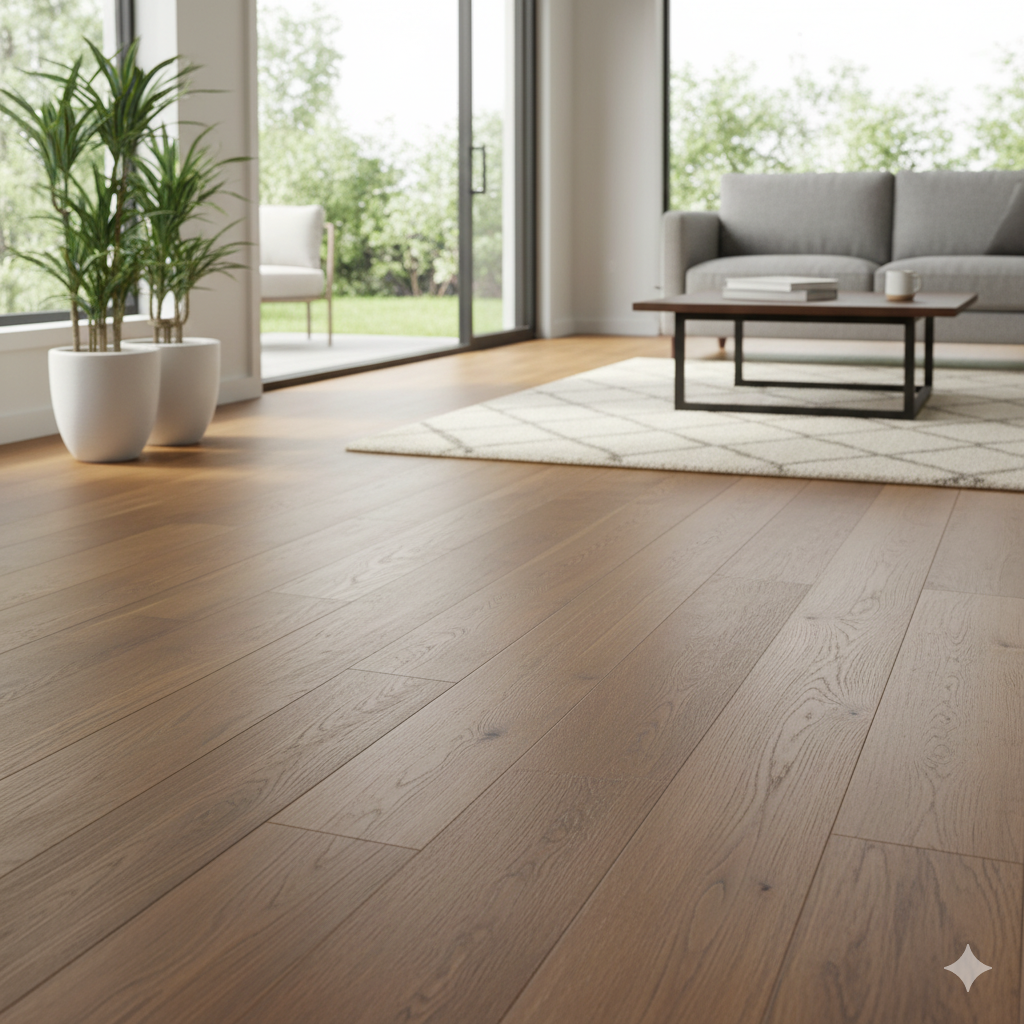
Floors are often overlooked but require attention in deep cleaning:
-
Vacuum Thoroughly: Focus on edges, corners, and under furniture.
-
Mop and Steam Clean: Hard floors benefit from steam cleaning to remove bacteria and grime.
-
Carpet Maintenance: Professional carpet cleaning or deep DIY methods remove embedded dirt and odors.
Eco-Friendly Deep Cleaning Tips
Modern homeowners are increasingly adopting eco-friendly cleaning practices:
-
Natural Cleaners: Use vinegar, baking soda, lemon juice, and castile soap for effective cleaning without harsh chemicals.
-
Reusable Tools: Replace disposable wipes and paper towels with microfiber cloths and reusable mop pads.
-
Reduce Water Waste: Use minimal water for mopping and washing surfaces.
-
Ventilation: Open windows while cleaning to reduce chemical residues and improve air quality.
Smart Tools for Efficient Deep Cleaning
Deep cleaning can be more efficient with the right tools:
-
Vacuum with HEPA Filter – Removes allergens and fine dust effectively.
-
Steam Cleaner – Ideal for carpets, tiles, and upholstery.
-
Microfiber Cloths – Absorb dirt and dust without chemicals.
-
Extendable Dusters – Reach ceiling fans, vents, and corners easily.
-
Organizers and Storage Bins – Keep cleaning supplies and household items neatly arranged.
Tips to Make Deep Cleaning Easier
-
Set a Schedule: Break down tasks weekly or monthly to avoid overwhelming sessions.
-
Declutter First: Remove unnecessary items to clean surfaces more efficiently.
-
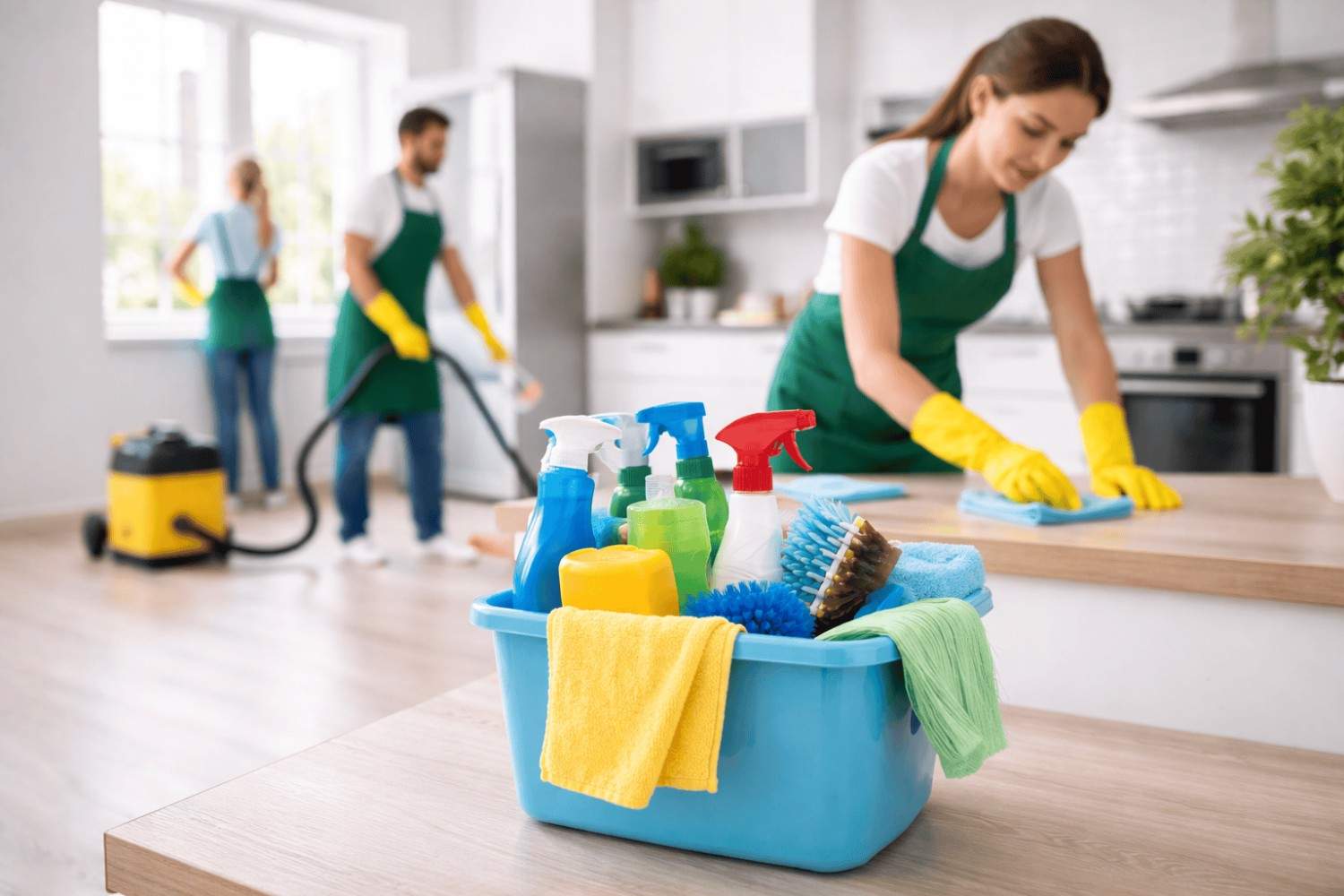
Enlist Help: Divide tasks among family members to speed up the process.
-
Play Music or Podcasts: Make cleaning more enjoyable and motivate consistent effort.
-
Use Multi-Purpose Cleaners: Reduces the number of products needed, saving time and storage space.
Benefits of Regular Deep Cleaning
-
Eliminates dust, dirt, and allergens
-
Reduces the risk of illness from bacteria and mold
-
Restores home aesthetics and comfort
-
Extends the life of furniture, carpets, and appliances
-
Promotes a sense of well-being and organization
A home maintained with regular deep cleaning feels fresher, safer, and more inviting for residents and guests.
Conclusion
Deep cleaning is essential for creating a healthy, organized, and inviting home environment in 2026. By following a systematic approach, using eco-friendly products, and leveraging smart tools, homeowners can maintain their spaces efficiently without feeling overwhelmed.
A combination of daily maintenance, room-by-room cleaning, and periodic professional assistance ensures every corner of the home is free from dust, allergens, and dirt. Deep cleaning not only improves hygiene and indoor air quality but also extends the lifespan of carpets, furniture, and appliances.
Investing time and effort into deep cleaning your home promotes health, comfort, and peace of mind, making your home a truly safe and enjoyable space.
FAQs
1. How often should I deep clean my home?
At least 2–4 times per year, with regular maintenance weekly to prevent buildup.
2. Can I deep clean using natural products?
Yes, vinegar, baking soda, lemon, and castile soap are highly effective for most tasks.
3. Should I hire professional cleaners?
Professional services are recommended for carpets, upholstery, and hard-to-reach areas for thorough cleaning.
4. What areas are often missed in deep cleaning?
Ceiling fans, vents, under furniture, behind appliances, and inside cabinets.
5. How do I maintain a clean home between deep cleaning sessions?
Daily tasks like wiping surfaces, vacuuming, decluttering, and managing spills help maintain cleanliness.
6. Can deep cleaning improve indoor air quality?
Yes, it removes dust, allergens, and bacteria, resulting in fresher, healthier indoor air.
7. How do I make deep cleaning faster and easier?
Use multi-purpose cleaners, proper tools, break tasks into manageable steps, and enlist family members.