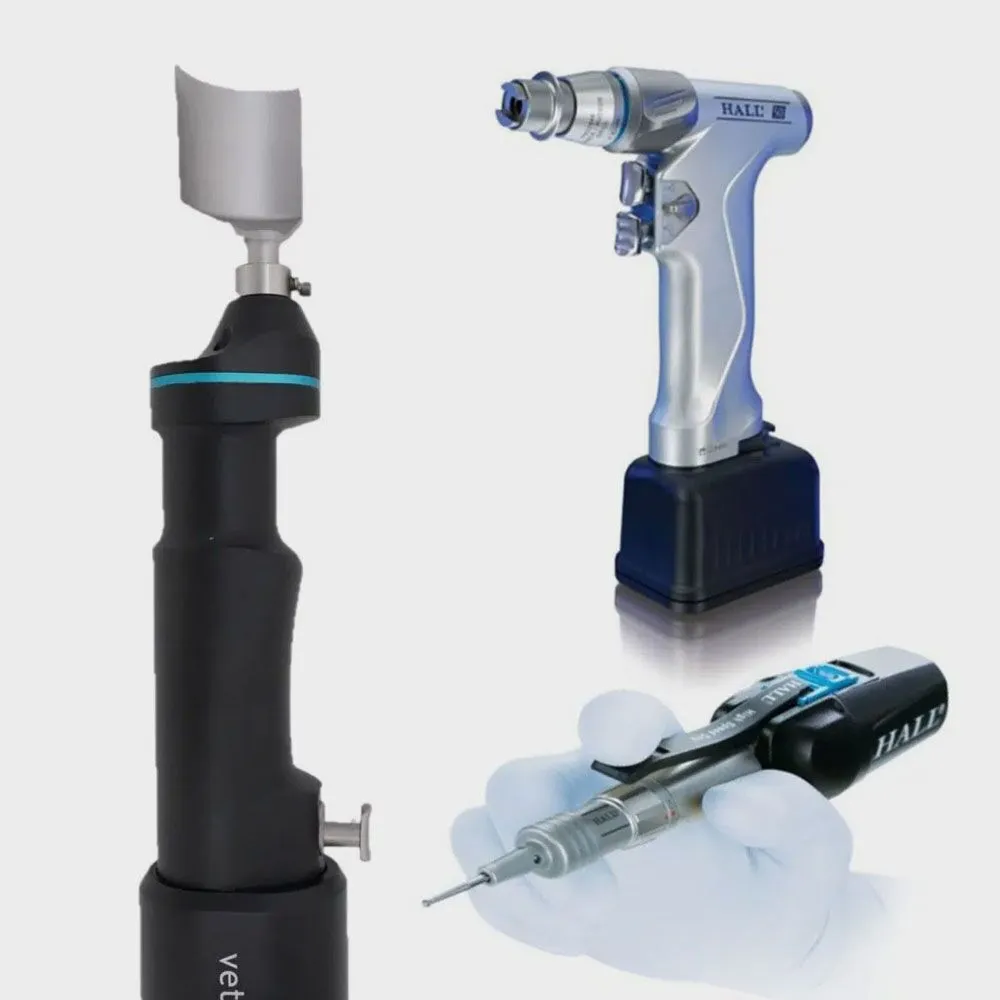
Veterinary practices rely on safe, efficient, and reliable equipment to support surgical procedures across a wide range of animal species. From routine operations to complex interventions, the quality of instruments and supporting systems directly affects surgical outcomes, staff confidence, and overall workflow. Modern clinics focus not only on having the right instruments available but also on ensuring that these instruments are prepared, sterilized, and ready for use within practical timeframes.
The Importance of Reliable Surgical Tools in Veterinary Care
Surgical procedures in animals demand precision, consistency, and dependable equipment. Unlike human medicine, veterinary surgery often involves patients of varying sizes, anatomies, and behavioral challenges. This makes dependable veterinary surgical tools a foundational requirement for any clinic performing surgical care.
Well-designed instruments help reduce procedure time, improve handling accuracy, and support better healing outcomes. Equally important, reliable tools reduce stress on veterinary professionals by offering predictable performance during every procedure.
Supporting Surgical Readiness Through Efficient Sterilization
One of the most critical aspects of surgical preparation is sterilization. Veterinary clinics often manage multiple procedures within a limited schedule, making fast and effective sterilization processes essential. Modern sterilization systems allow instruments to be prepared quickly without compromising safety or cleanliness.
Compact sterilization solutions are especially useful when only a single instrument or a small set is required. These systems are designed to process individual tools efficiently, allowing them to be sterilized and ready for surgery in a short amount of time.
Flexible Sterilization Options for Different Surgical Needs
Veterinary clinics handle procedures that range from minor interventions to complex surgeries requiring multiple instruments. To support this variety, sterilization solutions are available in different sizes and capacities. Smaller sterilization pouches are suitable for single instruments, while medium options can handle several tools at once. Larger systems are designed to accommodate full surgical sets along with additional equipment used during procedures.
Training and Proper Handling of Surgical Equipment
Even the most advanced equipment delivers value only when used correctly. Proper training ensures that veterinary staff understand how to prepare, sterilize, and handle instruments safely. On-site instruction allows teams to adapt quickly to new systems and integrate them into existing workflows without disruption.
Training also reinforces best practices for maintaining instrument integrity. Correct handling before and after sterilization helps extend tool lifespan and ensures consistent performance during surgery. These practices are essential for maintaining dependable veterinary surgical tools over time.
Final Words
Modern veterinary surgery depends on more than skilled professionals alone. Reliable instruments, efficient sterilization processes, and proper training form the backbone of successful surgical environments. Clinics that invest in adaptable systems and clear operational practices position themselves to handle both routine and complex procedures with confidence.