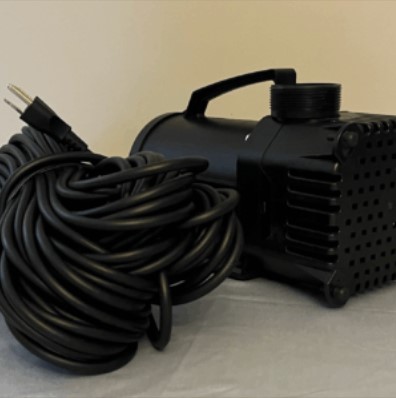
Healthy ponds and water features depend on steady circulation to maintain water clarity, oxygen balance, and visual appeal. Without continuous movement, debris settles, algae growth increases, and aquatic life can suffer from reduced oxygen levels. In the middle of efficient pond system design, a 120v pond pump plays a vital role in maintaining dependable and uninterrupted water flow for both filtration and decorative performance. Whether installed in residential landscapes or commercial garden features, understanding how this equipment delivers consistent output helps property owners protect their investment and sustain long-term water quality.
Stable Voltage For Continuous Operation
One of the main reasons a 120v pond pump performs consistently is its compatibility with standard residential electrical systems. Because it operates on common household voltage, it receives stable and predictable power without the need for specialized electrical modifications.
A steady power source ensures the motor runs at a constant speed, which directly impacts water discharge rates. When voltage fluctuations are minimal, a 120v pond pump maintains uniform circulation, preventing sudden surges or drops in flow that could disturb filtration balance or water feature aesthetics.
This reliability is especially important for ponds that operate continuously throughout the year, where uninterrupted performance protects both aquatic life and mechanical components.
Precision Motor Engineering And Impeller Design
At the core of every efficient 120v pond pump is a carefully engineered motor paired with a balanced impeller. The motor is sealed to prevent water intrusion, while the impeller is designed to move water smoothly through the housing without excessive vibration.
Balanced rotation reduces wear on internal components and allows the 120v pond pump to maintain consistent pressure output. This stable pressure supports even waterfall cascades, fountain spray heights, and spillway performance without irregular pulses.
By minimizing turbulence inside the housing, the pump also improves energy efficiency, allowing water to move steadily while reducing strain on the motor over extended operating hours.
Consistent Filtration Support
Water clarity depends heavily on effective filtration. A dependable 120v pond pump ensures water passes through mechanical and biological filters at a steady rate, allowing debris to be captured and beneficial bacteria to function efficiently.
When circulation is inconsistent, filtration systems cannot operate optimally. By maintaining reliable throughput, a 120v pond pump supports proper breakdown of organic waste and reduces the risk of cloudy or stagnant water.
Steady movement also helps distribute nutrients evenly throughout the pond, maintaining ecological balance and supporting fish health.
Oxygenation And Temperature Regulation
Water movement does more than improve appearance; it supports oxygen exchange and temperature control. A well-positioned 120v pond pump promotes surface agitation, allowing oxygen to dissolve into the water more effectively.
Consistent circulation also prevents temperature layering, which can occur in still ponds. By evenly distributing warm and cool water, a 120v pond pump helps create a stable environment for aquatic plants and fish, especially during hot weather when oxygen levels naturally decline.
This balance is essential for preventing stress-related health issues in pond ecosystems.
Debris Handling And Reduced Maintenance Interruptions
Outdoor ponds naturally accumulate leaves, sediment, and organic material. A durable 120v pond pump is typically built with protective intake screens and debris-tolerant impellers that reduce clogging risks.
Because the pump can handle light debris without immediate blockage, a 120v pond pump maintains consistent water flow between maintenance cycles. This reduces the frequency of manual cleaning and prevents sudden system shutdowns caused by obstructions.
Maintaining uninterrupted operation is particularly important for decorative fountains, where uneven flow can disrupt visual symmetry and reduce performance quality.
Conclusion
A 120V pond pump delivers consistent water flow through stable voltage input, precision motor engineering, balanced impeller performance, effective debris handling, and continuous filtration support, ensuring reliable ecosystem health and visual appeal. For applications that require increased circulation strength or larger water features, a 1/3 HP pond pump can provide enhanced flow capacity while maintaining steady and efficient operation.