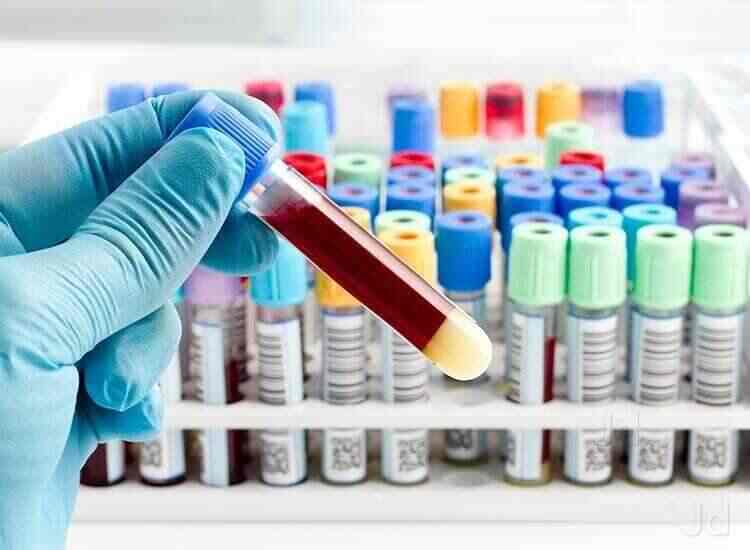
Effective blood management is essential for preserving life and sustaining healthcare practices. Blood bank equipment of high quality is critical to safe collection, testing, storage and distribution of blood and its components. Implementing sophisticated technology and dependable systems can help healthcare facilities streamline medical processes, minimize errors, and guarantee the rapid availability of vital blood products.
Ensuring accurate collection and processing
Blood bank equipment is specially designed for accurately collecting and separating blood as its components, that includes red cells, plasma, and platelets. Various devices including blood collection monitors and centrifuges ensure accuracy and consistency throughout the process. With proper handling, contamination risks are reduced and the collected blood conforms to necessary medical norms. Such precision is critical for treating patients and ensuring transfusion safety.
Enhancing storage and preservation
Correct storage must also be maintained; important to preserve blood quality. Blood bank equipment like refrigerators, freezers and platelet incubators help keep blood components at optimum temperature. High-end monitoring systems offer real-time notifications for temperature changes to mitigate spoilage and wastage. Reliable storage solutions enhance inventory management and make certain that safe blood is always accessible when it is required.
Streamlining workflow and time management
Blood bank equipment is designed to automate and streamline processes, enabling reduced manual effort and time. Automation technologies that label, track and test blood samples can create more efficient workflows while reducing the potential for human error. Routine and repetitive task automation and accuracy allows healthcare professionals to spend more time on patient care knowing that the equipment can handle day-to-day workloads.
Supporting safety and regulatory compliance
Blood banking operations prioritize safety. This equipment is designed with stringent medical standards and best practices in mind, so it can safely handle and process blood. Operational reliability is improved with features like alarms, digital controls, and backup systems. Integration with electrical lab equipment to help ensure accurate testing and monitoring for compliance under healthcare regulations and quality standards.
Improving testing and diagnostic accuracy
The blood bank equipment, together with the electrical lab equipment, is used to carry out essential testing such as blood grouping, cross-matching and screening for infections. Correct testing is crucial in avoiding transfusion reactions and ensuring donor-recipient compatibility. Sophisticated diagnostics provide quick and accurate test results to enhance patient safety and treatment effect.
Reducing wastage and optimizing resources
Blood resource utilization in healthcare is a significant issue; Proper storage, monitoring and inventories reduce wastage due to expiration or mishandling. Blood bank devices also help to track the volume of accessible units in order to make sure resources are utilized and shortages are minimized.
Enabling better emergency response
Instant Access to Safe Blood Can be Life-Saving in Emergencies Blood bank equipment is efficient enough to process, store and retrieve blood units with minimum delay. This feature enables healthcare providers to respond well in a critical timeframe which will definitely help in survival and also enhances professionalism in medical services.
Conclusion:
Blood bank equipment streamlines the medical process by enabling blood to be minimally collected for appropriate tests with precise results, stored in regulated conditions, and transported as needed. It helps ensure compliance, minimizes errors and increases workflow when interfaced with electrical lab equipment. Advanced systems assist healthcare institutions in providing timely, safe and effective patient care while responsibly managing precious blood resources.