The hand supports essential movements required for daily activities and independence. Injury or disease can limit strength, coordination, and comfort. Hand surgery in Adelaide helps restore function by correcting structural problems through precise treatment. Private hospitals provide specialised care and rehabilitation programmes that support safe recovery and improved mobility. Early evaluation of hand conditions allows specialists to recommend the right treatment and plan personalised recovery.
Understanding Conditions That Require Hand Surgery
Several medical conditions can limit hand movement and gradually affect quality of life. Identifying these conditions early allows specialists to recommend timely surgical care that restores function effectively.
Common conditions that may require surgery include:
- Traumatic injuries: Fractures, ligament tears, or deep cuts that disrupt bones and soft tissues.
- Nerve compression disorders: Conditions causing numbness, tingling, or weakness that affects grip strength.
- Arthritis: Joint wear leading to stiffness, swelling, and restricted movement.
- Repetitive strain injuries: Tendon irritation caused by repeated hand motions during work or daily tasks.
Addressing these problems through appropriate surgical treatment helps prevent long-term disability and supports better functional recovery.
Assessment and Diagnosis Before Surgery
Accurate diagnosis plays a key role in achieving successful outcomes. Specialists conduct detailed clinical examinations to assess joint flexibility, muscle strength, and nerve response. Imaging tests help confirm structural damage and guide treatment planning.
Doctors create personalised surgical plans based on the patient’s condition, lifestyle, and functional needs. Clear communication ensures patients understand the procedure and recovery expectations. This careful preparation improves safety and allows rehabilitation to begin with realistic goals after surgery.
Surgical Techniques That Improve Function and Mobility
Modern surgical care aims to restore movement while protecting healthy tissue. Hand surgery in Adelaide uses refined techniques that focus on precision and stable repair.
Common surgical approaches include:
- Tendon repair: Restores finger motion after injury.
- Nerve release procedures: Reduce pressure causing numbness or weakness.
- Joint reconstruction: Corrects alignment affected by arthritis or deformity.
- Stabilisation techniques: Support healing and maintain proper function.
These procedures help patients regain coordination, strength, and flexibility required for everyday activities.
Rehabilitation and Functional Recovery
Recovery continues beyond the operating theatre and depends heavily on structured rehabilitation. Guided therapy helps restore confidence in hand movement while preventing stiffness during healing.
Key rehabilitation steps include:
- Supervised physiotherapy exercises to rebuild strength.
- Gradual improvement of range of motion through controlled activity.
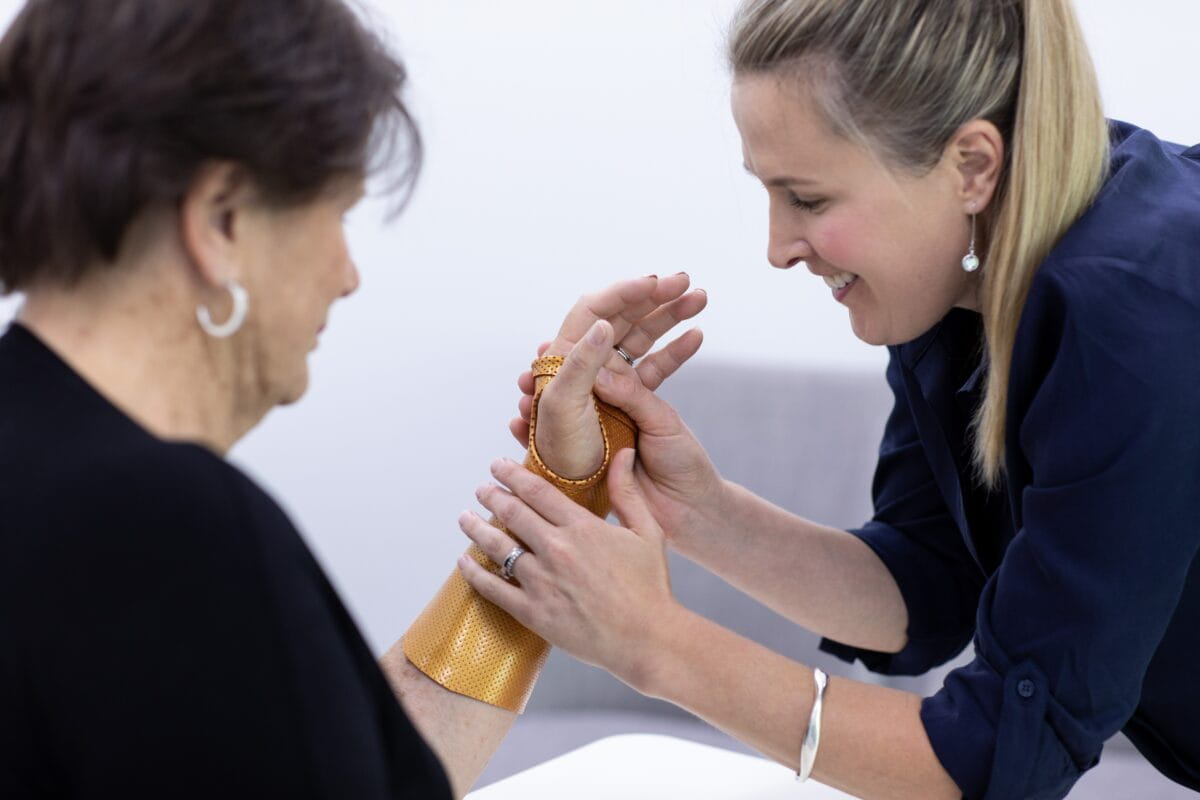
- Temporary splint support when required for protection.
- Step-by-step return to normal daily tasks.
Hospitals that coordinate care alongside specialists such as knee replacement surgeons in Adelaide often apply consistent rehabilitation principles focused on restoring overall mobility and joint function.
Importance of Specialised Care in Private Hospitals
Private hospitals provide coordinated surgical care supported by advanced facilities and experienced teams. Continuous monitoring allows doctors to adjust recovery plans based on patient progress. Collaboration between hand specialists and orthopaedic experts, including knee replacement surgeons in Adelaide strengthens mobility-focused treatment pathways and ensures patients receive comprehensive musculoskeletal care throughout recovery.
Conclusion
Surgical treatment offers an effective way to restore strength, coordination, and daily hand function after injury or disease. Careful assessment and personalised planning ensure precise and safe intervention. Structured rehabilitation in a specialised hospital setting helps patients regain mobility, flexibility, and independence. With timely care and ongoing support, individuals can return to everyday activities with confidence, comfort, and improved quality of life.