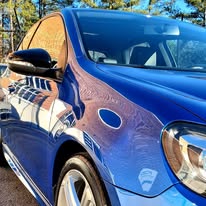
Why Car Paint Loses Its Shine
Modern vehicles use a multi-layer paint system. Beneath the surface lies the color coat, while the top layer is a transparent clear coat that protects the color and provides gloss.
Over time, the clear coat can develop small imperfections that reduce its ability to reflect light evenly. Instead of appearing smooth and glossy, the surface begins to scatter light in different directions.
Common causes of dull paint include:
-
Oxidation from prolonged sun exposure
-
Fine scratches from improper washing
-
Embedded contaminants such as road tar or tree sap
-
Water spots from mineral deposits
-
Residue from low-quality cleaning products
Even a vehicle that is regularly washed can develop these issues if the washing method isn’t ideal.
Step One: Start with a Thorough Wash
Before attempting to restore shine, the paint must be completely clean. Any dirt or debris left on the surface can cause additional scratches during the restoration process.
A proper wash typically involves:
-
Using automotive-specific car shampoo
-
Washing with a microfiber wash mitt
-
Rinsing thoroughly to remove all soap residue
-
Drying with a soft microfiber towel or drying cloth
This step may sound simple, but it sets the foundation for everything that follows.
One mistake I often see is people trying to polish or wax a car that hasn’t been washed carefully. Dirt left on the surface can easily cause swirl marks during polishing.
Removing Bonded Contaminants
Even after a thorough wash, the paint may still contain contaminants that are bonded to the surface.
These include:
-
Industrial fallout
-
Road tar
-
Brake dust particles
-
Tree sap residue
A clay bar treatment is commonly used to remove these substances. When gently glided across lubricated paint, the clay pulls contaminants out of the clear coat without damaging it.
After claying, the surface usually feels noticeably smoother. This smoothness allows polishing compounds to work more effectively.
Polishing to Restore Gloss
Polishing is the step where dull paint begins to regain its shine. The goal of polishing is to level out tiny imperfections in the clear coat so light reflects evenly again.
Polishing can be done by hand or with a machine, though machine polishing is typically more effective for deeper imperfections.
The process generally includes:
-
Applying a polishing compound to a foam or microfiber pad
-
Working the product across the paint in controlled motions
-
Buffing away residue to reveal a clearer surface
Polishing removes very small amounts of clear coat in order to eliminate fine scratches and oxidation.
When done correctly, the paint often regains a dramatic amount of gloss.
Insider Tip: Always Test a Small Section First
A helpful technique many professionals use is performing a “test spot” before polishing the entire vehicle.
Instead of starting everywhere at once, polish a small section—often on the hood or door panel—to determine which combination of pad and polish produces the best result.
Once the ideal combination is found, the same method can be used across the rest of the vehicle.
This saves time and prevents unnecessary removal of clear coat.
Correcting Swirl Marks and Light Scratches
Swirl marks are one of the most common causes of dull-looking paint. These circular scratches are often created by improper washing techniques or automatic car washes.
While they may seem minor individually, hundreds of swirl marks across the paint can make the entire vehicle appear faded.
Polishing removes many of these imperfections by smoothing the clear coat surface.
However, deeper scratches may require multiple polishing passes or more advanced paint correction techniques.
Patience is important here. Rushing the process often leads to uneven results.
Protecting the Restored Shine
Once the paint has been polished and restored, it’s essential to protect it.
Without protection, environmental elements will begin affecting the surface again almost immediately.
Common protective options include:
-
Carnauba wax
-
Synthetic paint sealants
-
Ceramic coatings
These products create a protective barrier that helps shield the paint from UV rays, dirt, and moisture.
They also enhance the gloss created during polishing.
Professionals involved in richmond auto detailing often emphasize that paint correction is only half the process. Protecting the restored finish is equally important for maintaining long-term shine.
Insider Tip: Pay Attention to Lighting
Lighting plays a surprisingly important role when restoring paint.
Imperfections such as swirl marks or dull areas can be difficult to see under normal lighting conditions.
Many detailers use strong LED lights or inspect paint in natural sunlight to identify problem areas.
Different angles of light reveal different imperfections, which helps ensure the polishing process addresses all areas evenly.
Without proper lighting, it’s easy to miss spots that still need attention.
A Small Observation from Experience
Over time, I’ve noticed that many people assume dull paint means the vehicle needs repainting.
In reality, most cars don’t need new paint at all. They simply need proper paint correction and protection.
I’ve seen vehicles that looked faded and tired transform dramatically after a careful polish. Once the oxidation and swirl marks are removed, the original color often looks much deeper and more vibrant.
That transformation is one of the most satisfying parts of working with automotive paint.
Maintaining Shine After Restoration
Once the shine has been restored, maintaining it becomes much easier with good habits.
Simple practices help preserve the finish:
-
Wash the car using proper techniques and soft tools
-
Avoid automatic brushes that cause swirl marks
-
Dry the vehicle with microfiber towels rather than letting it air dry
-
Reapply protective wax or sealant periodically
Consistent care helps keep the clear coat smooth and reflective.
It also reduces the need for heavy polishing in the future.
When Professional Help Makes Sense
While many car owners can perform basic paint care themselves, some situations benefit from professional attention.
Vehicles with severe oxidation, heavy scratches, or neglected finishes often require specialized equipment and experience.
Machine polishing tools, advanced compounds, and paint thickness measurements help ensure the correction process is both safe and effective.
A trained eye can also determine how much correction is possible without compromising the integrity of the paint.
Final Thoughts
Dull car paint is a common issue, but it’s rarely permanent. In most cases, the shine can be restored by cleaning the surface properly, removing bonded contaminants, and carefully polishing the clear coat.
The process takes patience and attention to detail, but the results can be dramatic. A vehicle that once appeared faded can regain depth, clarity, and a mirror-like finish.
Also read for more information so click here.