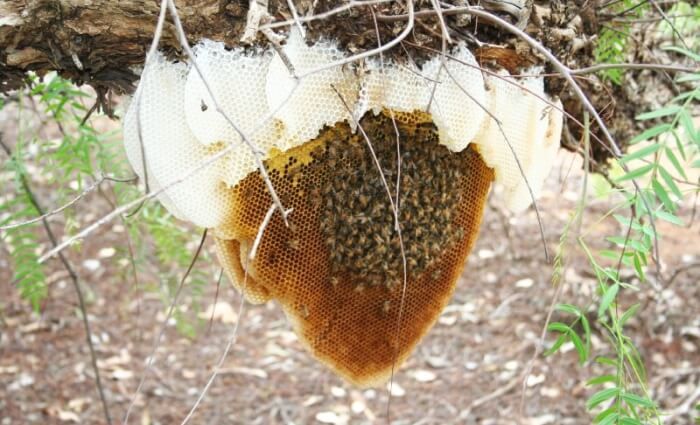
Homeowners often underestimate how small environmental changes influence the presence of pollinators around residential structures. Bees search constantly for protected cavities where colonies can grow safely and efficiently. Rooflines, attic vents, wall voids, and chimneys frequently provide attractive shelter opportunities for wandering swarms. Because these locations offer warmth and protection, they often become ideal nesting sites during spring seasons. When a hive develops inside a structure, removal becomes complicated and potentially expensive. Preventative strategies therefore provide significant benefits by stopping colonies before they establish permanent homes.
Professional prevention focuses on identifying vulnerabilities around a property before bees discover them naturally. Technicians evaluate structural gaps, deteriorating wood, and small openings that appear insignificant to homeowners. These minor vulnerabilities may appear harmless yet provide perfect entrances for small swarms exploring nearby environments. In many regions, bee activity increases dramatically during warmer months when flowers bloom abundantly. Colonies divide through swarming, sending thousands of bees searching for new nesting locations. Without preparation, residential properties become convenient targets for these migrating groups.
Preventative planning helps homeowners stay ahead of these seasonal patterns. Rather than reacting to infestations, they create environments that discourage nesting behaviors. This proactive mindset highlights one of the most important benefits of professional bee prevention services.
Long-Term Benefits for Residential Properties
A home represents one of the most significant financial investments most families will ever make. Maintaining its structural condition, therefore, requires attention to even minor vulnerabilities. Bee prevention services provide long-term benefits by protecting hidden areas where colonies frequently establish nests. When bees enter wall cavities or roof spaces, they begin constructing elaborate honeycomb structures almost immediately. Worker bees gather wax and mold it into hexagonal chambers designed for brood development and honey storage. As the colony expands, these comb networks grow larger and heavier.
Within months, a well-established hive can contain thousands of insects along with significant honey reserves. Honey eventually seeps into surrounding materials such as insulation, drywall, and wooden beams. This sticky residue attracts ants and other scavenging insects, creating additional infestations. Furthermore, moisture associated with honey storage can weaken structural components gradually. Wood absorbs moisture from leaking honeycomb, eventually leading to rot or warping. Homeowners may not notice these issues until costly repairs become unavoidable.
Professional bee prevention focuses on eliminating access points that allow swarms to enter hidden spaces. Specialists inspect soffits, attic vents, siding gaps, and roof intersections where bees frequently explore entry points. By sealing these locations, they eliminate attractive nesting opportunities. The benefits of early intervention extend beyond immediate pest control. Preventing hive formation protects insulation, electrical wiring, and ventilation systems from contamination. Without these preventative measures, honey and wax may spread across multiple structural layers.
Environmental and Ecological Benefits of Responsible Bee Prevention
Bees play an essential role within natural ecosystems by supporting pollination for countless plant species. Many agricultural crops depend directly on pollinators for successful reproduction. Because of this ecological importance, responsible bee management prioritizes humane prevention and relocation practices. Professional prevention programs recognize that eliminating bees entirely would damage environmental balance. Instead, they focus on encouraging bees to nest in safer locations away from residential structures. This approach ensures that pollinators continue contributing to biodiversity while minimizing human conflicts.
One of the greatest benefits of professional prevention involves protecting both ecosystems and communities simultaneously. When bees settle inside homes, removal sometimes becomes stressful for residents and insects alike. Early prevention eliminates the need for disruptive emergency removals. Environmental specialists often recommend landscaping strategies that support pollination while directing bee activity away from structures. Flowering plants may be placed farther from buildings, creating natural feeding zones that attract bees safely.
Occasionally, homeowners may notice increased bee activity despite preventative measures. In such cases, professional relocation services ensure safe management of swarms before colonies become permanent. For example, property owners sometimes consult specialists providing residential bee removal service in Los Angeles to relocate bees humanely without harming pollinators or structures.
These services emphasize relocation instead of destruction, preserving valuable pollinator populations while protecting homes. By combining prevention and relocation, professionals create a balanced system benefiting both people and nature.
Safety and Community Benefits of Preventative Bee Strategies
Beyond structural protection and environmental balance, bee prevention also improves safety for residents and surrounding communities. Although bees rarely behave aggressively without provocation, large colonies near homes increase the likelihood of accidental encounters. Families with children or pets may feel uncomfortable when bees gather near entrances, patios, or outdoor play areas. Preventative measures reduce these concerns by discouraging nesting within close proximity to daily activities.
Professional inspections identify areas where bees commonly establish colonies near human movement. Entryways, garages, sheds, and attic vents frequently attract swarms seeking shelter. By securing these vulnerable spaces, specialists reduce potential contact between residents and insects. Another important benefit involves protecting individuals who may have allergic reactions to bee stings. For people with severe allergies, even a single sting may trigger serious medical emergencies. Preventative planning significantly lowers the probability of accidental encounters.
Community environments also benefit when individual properties implement responsible prevention practices. Colonies established in residential neighborhoods may eventually spread into adjacent buildings or public spaces. Early prevention, therefore, reduces risks for entire communities rather than single households. Property managers, schools, and apartment complexes increasingly adopt preventative programs for this reason. By maintaining secure structures and addressing early signs of bee activity, they create safer environments for residents and visitors.
Long-Term Benefits of Investing in Professional Bee Prevention
Preventative services represent a long-term investment rather than a temporary solution to seasonal pest concerns. By addressing structural vulnerabilities early, homeowners reduce the likelihood of recurring infestations year after year. Regular inspections ensure that new gaps or structural weaknesses are discovered quickly. Weather, aging materials, and minor construction damage may create new entry points over time. Preventative maintenance allows professionals to address these changes before bees discover them.
Financial stability represents one of the strongest benefits associated with professional prevention programs. Emergency hive removals often involve structural repairs, contamination cleanup, and restoration work. These combined expenses can significantly exceed the cost of preventative services. Another long-term advantage involves maintaining property value. Homes with documented pest prevention measures often appear more attractive to potential buyers. Buyers appreciate knowing that professionals have addressed vulnerabilities that could otherwise cause expensive repairs.
Preventative programs also create long-lasting partnerships between homeowners and pest management professionals. Specialists become familiar with individual properties, allowing them to identify subtle changes during routine inspections. This familiarity enhances the effectiveness of ongoing prevention strategies. Additionally, consistent prevention contributes to broader ecological sustainability. Encouraging bees to nest in natural habitats rather than buildings supports healthy pollinator populations. At the same time, residents avoid the risks associated with indoor colonies.