Most people rarely think about their boiler until something stops working. One winter morning the radiators stay cold, the hot water turns unreliable, or the system starts making strange noises. When problems like these appear, homeowners often hear the suggestion: it might be time for a boiler upgrade.
But the term can be confusing. Some assume it simply means replacing an old boiler with a new one. In practice, a boiler upgrade can involve several different improvements to the home’s heating system.
Understanding what the process actually includes helps people decide whether an upgrade makes sense for their situation.
Understanding the Role of a Boiler in a Home
Before discussing upgrades, it helps to understand what the system does.
A boiler heats water and circulates it through radiators, baseboards, or underfloor pipes. The heated water warms the rooms, while some systems also supply domestic hot water for taps and showers.
To perform that job, the heating system relies on several parts working together:
-
The boiler unit itself
-
Circulation pumps
-
Thermostats and controls
-
Pipework and radiators
-
Safety valves and expansion tanks
When people talk about upgrading a boiler, they usually mean improving one or more of these components so the system runs more efficiently or reliably.
What a Boiler Upgrade Usually Involves
In the simplest case, upgrading means replacing an old boiler with a newer model. However, many projects go further than that.
Installers often recommend improvements that help the new system operate properly. These upgrades might include:
-
Installing a high-efficiency boiler
-
Updating heating controls or thermostats
-
Cleaning the heating system with a power flush
-
Replacing worn pumps or valves
-
Improving insulation around pipes
Each change addresses a specific weakness in older systems. Without these adjustments, a new boiler may not deliver its full performance.
Why Boilers Eventually Need Upgrading
Heating equipment works hard during cold months. Over time, the internal parts experience constant expansion, contraction, and exposure to high temperatures.
Because of this stress, boilers rarely last forever.
Most systems function reliably for 12 to 15 years, sometimes longer with careful maintenance. After that point, several issues begin to appear.
Efficiency declines as components wear down. Small faults become more frequent. Replacement parts grow harder to find. Eventually, repairs cost more than the equipment is worth.
At that stage, many homeowners decide upgrading the system makes more sense than continuing repairs.
How Modern Boilers Differ From Older Ones
Heating technology has changed considerably in recent decades.
Older boilers often allowed a large portion of heat to escape through the flue. The design worked, but it wasted energy.
Most modern systems use condensing technology, which captures heat from exhaust gases before releasing them outside. By reclaiming that energy, the system burns less fuel to produce the same warmth.
This design explains why newer boilers typically reach much higher efficiency levels.
In practical terms, a household may need less gas or oil to maintain comfortable indoor temperatures.
Different Types of Boiler Upgrades
Not all upgrades involve the same equipment. The type of system installed depends on the property and its heating setup.
Replacing Like for Like
Sometimes the simplest option works best. If the existing system performs well overall, installers may recommend replacing the boiler with a similar model.
For example, a home with a system boiler and hot water cylinder may simply receive a newer version of the same design.
This approach keeps installation straightforward and limits plumbing changes.
Switching to a Combi Boiler
Some homeowners choose to replace a traditional boiler and water tank with a combination boiler, often called a combi.
Combi systems heat water directly from the mains supply. Because they don’t require a storage tank, they save space and simplify the system.
However, they are not always suitable for larger households where several taps run simultaneously.
Upgrading Heating Controls
Sometimes the most noticeable improvements come from better controls rather than the boiler itself.
Older systems often rely on simple thermostats with limited programming options. Newer controls allow more precise scheduling and temperature management.
Examples include:
-
Programmable room thermostats
-
Smart thermostats connected to mobile apps
-
Zoned heating systems for different areas of the house
These controls help reduce wasted energy by heating rooms only when needed.
Common Signs That an Upgrade May Be Needed
Homeowners often wonder how to tell when their boiler has reached the end of its useful life.
Several warning signs usually appear first.
Frequent breakdowns are one of the clearest signals. A system that requires repeated repairs is often nearing retirement.
Rising energy bills may also indicate declining efficiency. When boilers age, they often consume more fuel to produce the same heat.
Other signs include:
-
Strange noises such as banging or rumbling
-
Inconsistent heating in different rooms
-
Difficulty maintaining water pressure
-
Delays in hot water delivery
None of these symptoms guarantee immediate failure, but they suggest the system deserves closer attention.
Safety Considerations
Heating systems involve combustion and high temperatures. For gas boilers in particular, proper installation and maintenance are essential.
Poorly maintained equipment can create safety risks such as gas leaks or carbon monoxide exposure. Because of this, many countries require qualified technicians to install and service boilers.
Attempting to install or modify a boiler without proper training can lead to serious problems. Professional assessment protects both the equipment and the household.
What Happens During the Upgrade Process
A typical boiler upgrade follows several steps.
First, a heating engineer evaluates the existing system. They check the property’s heating demand, the condition of radiators, and the layout of the pipework.
Next, they recommend suitable equipment and provide an installation plan.
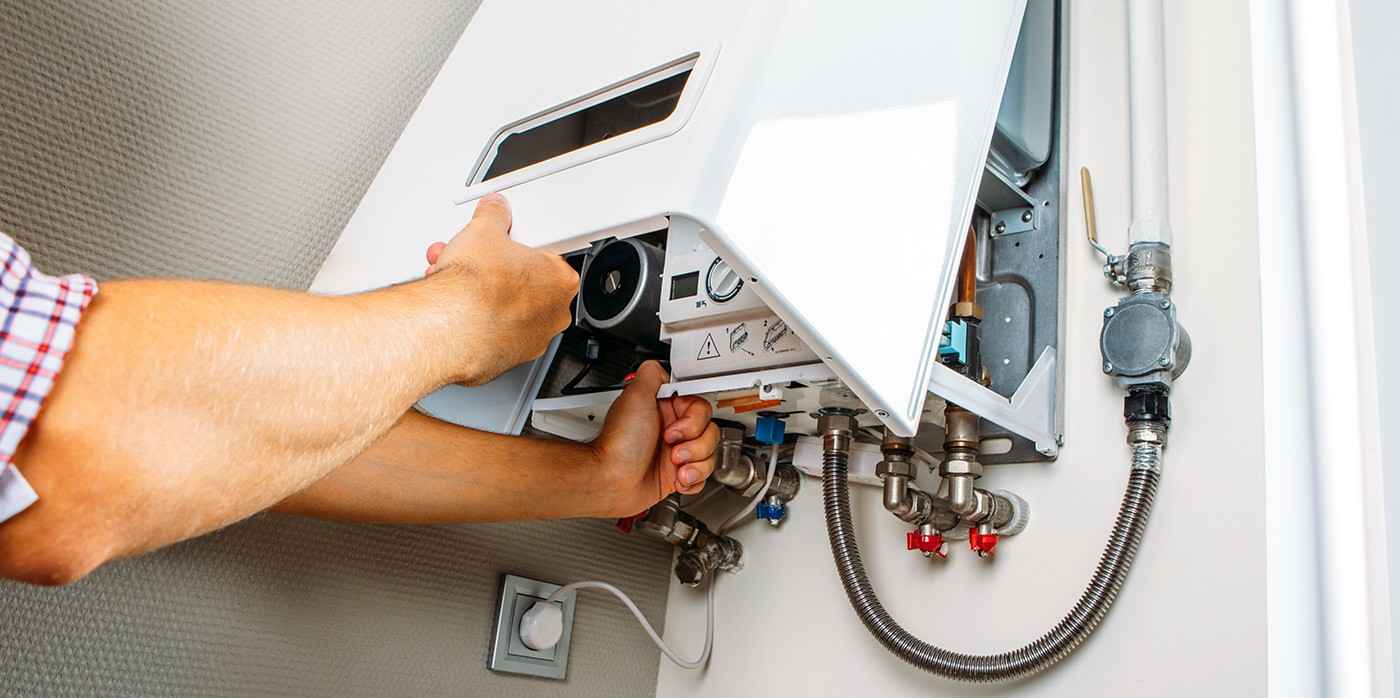
Once work begins, the installer removes the old boiler, prepares the pipe connections, and fits the new unit. The system is then tested to ensure it operates safely and efficiently.
Depending on complexity, the process may take anywhere from a single day to several days.
Practical Steps Before Deciding
If you are considering a boiler upgrade, a few careful steps can help.
Start by arranging a professional inspection of the current heating system. An experienced engineer can explain whether repair or replacement makes more sense.
It also helps to compare several quotes before choosing an installer. Heating systems differ widely between homes, and recommendations may vary.
Finally, consider other improvements that support efficient heating. Insulation, radiator upgrades, and modern controls often enhance the benefits of a new boiler.
Conclusion
A boiler upgrade usually involves more than simply replacing an appliance. It often includes improvements to the broader heating system that help the new equipment perform efficiently and reliably.
For homes with aging boilers, the upgrade can bring noticeable advantages, including steadier heating, lower energy use, and fewer unexpected breakdowns.
In some cases, heating problems may not come from the boiler itself but from controls or connectivity issues, such as a hive thermostat no signal error that prevents the system from responding properly.
Still, replacement is not always urgent. The best decision depends on the condition of the existing system, the age of the equipment, and the heating needs of the household.
With a proper assessment and careful planning, homeowners can determine whether upgrading their boiler is the right step toward a more reliable and efficient heating system.