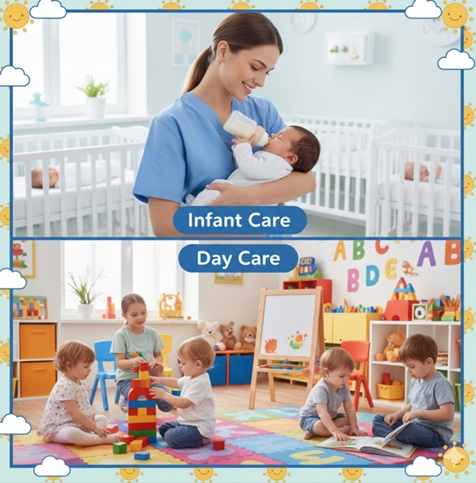
Finding reliable child care centers near me starts with clear priorities and a few quick steps that save time and stress. You want safe facilities, qualified staff, and a program that fits your child’s needs and your schedule; use location-based directories, local licensing searches, and waitlist tools to find nearby options and immediate availability. Focus first on licensed centers with recent inspection reports and current openings to narrow your list quickly.
As you compare places, look beyond photos and promises: check staff-to-child ratios, daily routines, curriculum types, and how the center communicates with families. This article will walk you through evaluating options, understanding program types, and managing enrollment so you can choose a setting that supports your child’s growth and fits your family life.
How to Choose the Best Child Care Centers Near Me
Focus on measurable things you can check quickly for child care centres: staff credentials, child-to-staff ratios, daily routine, safety policies, and licensing. Prioritize centers that publish clear policies, show transparent records, and welcome tours or trial days.
Key Factors to Consider
Look for a current state license and any third-party accreditations (for example, NAEYC). Licensing verifies legal compliance; accreditation signals higher program standards. Ask for licensing number and expiration date and verify with your state’s child care regulator.
Check published child-to-staff ratios and class sizes. Ratios affect supervision and individual attention—ideally 4:1 for infants, 6–8:1 for toddlers, and 10–12:1 for preschoolers depending on your state rules. Observe a classroom during drop-off to see how teachers manage transitions.
Examine daily schedules and curriculum specifics. Prefer programs with consistent routines, age-appropriate learning goals, and measurable outcomes (language milestones, motor skills). Request a sample weekly plan and examples of parent communication (daily reports, apps, or portfolios).
Evaluating Staff Qualifications
Ask for staff resumes or a summary of qualifications for lead teachers. Leads should have at least an associate degree in early childhood or a CDA credential for infant/toddler rooms. Confirm ongoing professional development—regular training in child development, behavior guidance, and first aid matters.
Check background screening procedures. You should see written policies on criminal background checks, fingerprinting, and reference verification for every staff member. Ask how long employees typically stay; low turnover suggests better program stability and stronger teacher–child relationships.
Assess teacher–child interactions in person. Look for warm, responsive caregiving, consistent behavior guidance, and teachers who scaffold learning—asking open questions and following children’s interests. Request sample assessment methods the staff uses to track each child’s progress.
Safety and Cleanliness Standards
Verify emergency preparedness: written evacuation plans, monthly drills, and staff certified in pediatric CPR/first aid. Confirm how the center manages visitor access, sign-in/out logs, and who may pick up your child. Insist on seeing their emergency contact and medication policies.
Inspect hygiene and cleaning practices. Ask which cleaning agents they use, frequency of disinfecting high-touch surfaces, and laundry procedures for bedding and soft toys. Check diapering stations, changing procedures, and glove use policies to reduce infection risk.
Review health policies for illness, immunization requirements, and exclusion criteria. Ensure clear guidance on when sick children must stay home and how the center notifies parents. If your child has allergies or medical needs, confirm individualized care plans and staff training to administer medication or respond to allergic reactions.
Understanding Program Options and Enrollment
You’ll find programs that vary by setting, curriculum, and hours, plus clear age group placements and a predictable enrollment path. Focus on program type, the exact ages served, licensing and schedules when you compare centers.
Types of Child Care Programs Available
Most centers fall into a few distinct categories: full-day daycare, part-day preschool, school-age before/after care, and in-home family child care. Full-day programs run typical workday hours and blend care with developmental activities. Preschools prioritize early learning and often follow a curriculum with group instruction and readiness skills.
Some centers specialize—Montessori, play-based, or language-immersion models—so ask for sample daily schedules and teacher qualifications. Licensing level and staff-to-child ratios matter for safety and individualized attention; request current license and ratio information when you tour. Also verify whether meals, diapers, or extracurriculars are included or billed separately.
Age Group Availability
Centers commonly organize classrooms by narrow age bands: infants (0–12 months), toddlers (12–36 months), preschoolers (3–5 years), and school-age (5+ years). These divisions reflect developmental needs and legal staffing requirements. For infants and younger toddlers, expect smaller group sizes and higher staff ratios.
Check exact cutoff dates and sibling placement policies; some programs require children to be toilet-trained for preschool rooms. If your child has special needs, confirm whether the center provides accommodations or works with therapists. Ask for transition plans between classrooms to understand how and when your child will move up.
Enrollment Process Overview
Start by compiling a short list of centers, then schedule tours to observe routines during drop-off and transitions. Prepare required documents: proof of immunizations, emergency contacts, custody paperwork if applicable, and up-to-date physical exam forms. Many centers use waitlists; ask the average wait time and whether deposit or registration fees secure your spot.
Expect an enrollment packet that includes policies on attendance, illness, tuition, and vacation. Review contract terms for notice periods and refundable vs. nonrefundable fees. Finally, confirm the center’s communication methods—daily reports, apps, or email—and any orientation or trial days to ease your child’s adjustment.