In industrial water management, flow control systems play a critical role in ensuring efficient and safe operations. Two commonly used flow control devices are sluice gates and slide gate valves. While they may appear similar in function, their applications, design, and manufacturing requirements are different.
Because of this difference, manufacturers that produce sluice gates are not always the same companies that manufacture slide gate valves. Each product serves a unique purpose in industrial systems such as water treatment plants, wastewater management systems, irrigation networks, and material handling facilities.
Companies like Cair Euromatic Automation Pvt Ltd manufacture robust water control solutions designed for infrastructure and industrial applications. Understanding the difference between sluice gate manufacturer and slide gate valve manufacturer helps engineers, contractors, and project managers choose the right equipment for their projects.
This article explains the key differences, applications, design features, and manufacturing requirements of both systems.
Understanding Sluice Gates
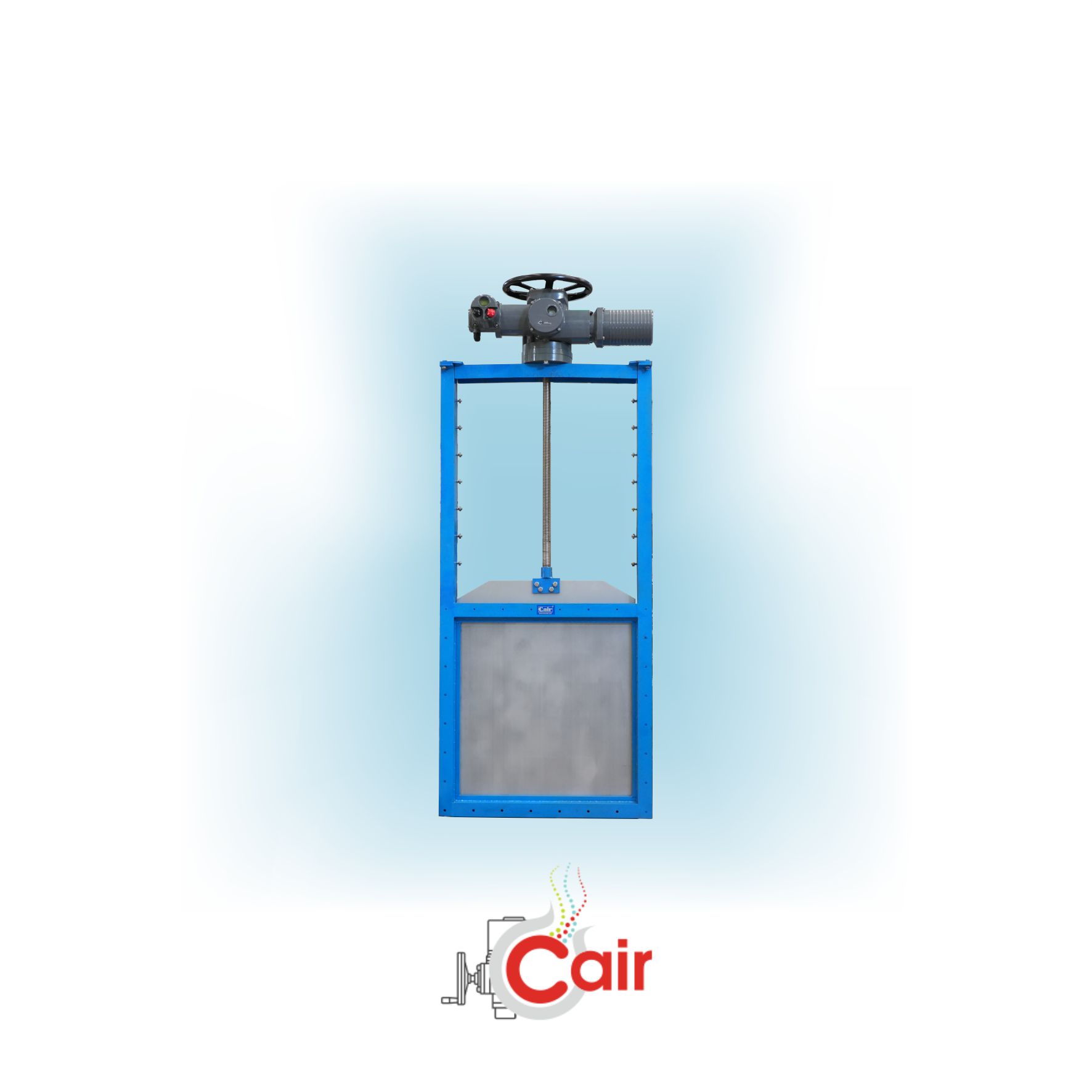
A sluice gate is a mechanical device used to control the flow of water in open channels, tanks, reservoirs, dams, and treatment plants. The gate works by raising or lowering a plate to allow or stop water flow.
Sluice gates are essential in water management infrastructure, where controlling water levels and flow rates is necessary.
Key Characteristics of Sluice Gates
-
Designed for open channel water flow
-
Used in water treatment plants and irrigation systems
-
Operate in low to moderate pressure environments
-
Installed in canals, tanks, and reservoirs
-
Typically made from steel or stainless steel
Sluice gates are widely used because they provide simple yet effective water control in large-scale infrastructure projects.
Understanding Slide Gate Valves
A slide gate valve is designed to control the flow of dry bulk materials, powders, slurries, or industrial fluids. These valves are commonly used in cement plants, power plants, chemical industries, and bulk material handling systems.
Unlike sluice gates, slide gate valves are usually installed in pipelines or enclosed systems where materials need to be isolated or regulated.
Key Characteristics of Slide Gate Valves
-
Used for bulk solids, powders, and industrial materials
-
Installed in pipes, hoppers, or processing equipment
-
Designed for high-pressure or abrasive conditions
-
Used in industrial manufacturing processes
-
Often include actuation systems for automation
Slide gate valves are engineered to handle industrial materials rather than open water flow systems.
Key Differences Between Sluice Gates and Slide Gate Valves
Although both devices use a sliding mechanism to control flow, their design and applications are very different.
| Feature | Sluice Gate | Slide Gate Valve |
|---|---|---|
| Primary Use | Water flow control | Bulk material or fluid control |
| Installation | Open channels, tanks | Pipelines or hoppers |
| Application | Water treatment, irrigation | Cement, power, chemical industries |
| Pressure Handling | Low to moderate | Moderate to high |
| Flow Medium | Water or wastewater | Powders, slurry, solids |
| Structure | Large gate plate | Compact valve body |
These differences explain why specialized manufacturers focus on different engineering requirements.
Manufacturing Differences
The manufacturing process for sluice gates and slide gate valves requires different engineering approaches.
Sluice Gate Manufacturing
Sluice gates must be designed to withstand constant exposure to water, corrosion, and environmental conditions. Manufacturers focus on:
-
Corrosion-resistant materials
-
Strong sealing mechanisms
-
Smooth gate operation
-
Large structural frames
Fabrication often involves heavy steel construction and custom engineering for specific water infrastructure projects.
Companies like Cair Euromatic Automation Pvt Ltd design sluice gates specifically for water control applications, ensuring reliability in treatment plants and irrigation systems.
Slide Gate Valve Manufacturing
Slide gate valves require precision engineering because they operate within industrial machinery or pipelines.
Manufacturing focuses on:
-
Abrasion-resistant materials
-
Compact valve design
-
Automation compatibility
-
Pressure-resistant construction
These valves are often integrated with pneumatic or electric actuators to support automated production processes.
Applications of Sluice Gates
Sluice gates are essential components in many water infrastructure systems.
Water Treatment Plants
They regulate water flow during filtration and treatment stages.
Wastewater Treatment Plants
Used to control the movement of wastewater between treatment chambers.
Irrigation Systems
Farm irrigation networks use sluice gates to distribute water efficiently.
Dams and Reservoirs
Sluice gates control water release and maintain safe water levels.
Flood Control Systems
Used to regulate water flow during heavy rainfall or flooding.
Because of their role in critical water infrastructure, high-quality manufacturing is essential.
Applications of Slide Gate Valves
Slide gate valves are primarily used in industrial production environments.
Cement Industry
Control the flow of cement powder and raw materials.
Power Plants
Manage ash handling systems.
Chemical Processing
Regulate materials in chemical manufacturing.
Food Processing
Used in grain and powder handling systems.
Bulk Material Handling
Control the movement of dry materials in industrial plants.
These applications require high durability and resistance to abrasion.
Technical Specifications of Sluice Gates
Below are common specifications used in modern water control systems.
| Parameter | Specification |
|---|---|
| SIZE | As per Requirement |
| MOC | IS Grade, MS, SS |
| TRIM | As per requirement |
| PRESSURE | Depending Upon Requirement |
| TEMPERATURE | -20 ˚C TO 180 ˚C (Depending upon MOC) |
| END CONNECTION | Single Channel, Double Channel |
These specifications allow engineers to customize sluice gates based on project requirements, environmental conditions, and operational demands.
Why Choosing the Right Manufacturer Matters
Selecting the correct manufacturer is critical for ensuring system reliability and long-term performance.
A trusted manufacturer provides:
High-Quality Materials
Ensuring corrosion resistance and structural strength.
Precision Engineering
Improving sealing performance and operational efficiency.
Custom Manufacturing
Producing equipment tailored to project requirements.
Quality Testing
Ensuring products meet industry performance standards.
Technical Support
Helping clients with installation and system integration.
Manufacturers with strong engineering expertise help prevent operational failures and costly maintenance issues.
Cair Euromatic Automation Pvt Ltd – Reliable Flow Control Solutions
Cair Euromatic Automation Pvt Ltd is known for producing reliable water control equipment and industrial automation systems. The company focuses on delivering durable and efficient flow control solutions for infrastructure and industrial applications.
Key strengths include:
-
Custom-designed sluice gates
-
Durable material construction
-
Reliable flow control performance
-
Engineering support for infrastructure projects
Their products are designed to support modern water management systems and industrial operations.
How to Choose Between a Sluice Gate and a Slide Gate Valve
Choosing the correct equipment depends on the type of material being controlled and the system design.
Choose a sluice gate when:
-
Controlling water flow in open channels
-
Managing water levels in reservoirs or tanks
-
Operating in water treatment plants
-
Handling large volumes of water
Choose a slide gate valve when:
-
Handling powders or dry materials
-
Working within industrial pipelines
-
Managing material flow in production systems
-
Operating in high-pressure industrial environments
Understanding these differences helps engineers select the most efficient and reliable flow control solution.
The Future of Flow Control Systems
As industries and infrastructure projects continue to expand, the demand for reliable flow control equipment is increasing. Modern engineering focuses on improving durability, automation, and efficiency in flow control devices.
Future developments may include:
-
Smart automated gate systems
-
Improved corrosion-resistant materials
-
Advanced sealing technology
-
Integration with digital monitoring systems
Manufacturers that invest in innovation and quality engineering will play a major role in the development of future water management and industrial systems.
FAQs
1. What is a sluice gate?
A sluice gate is a mechanical device used to control water flow in channels, tanks, dams, and treatment plants by raising or lowering a gate plate.
2. What is a slide gate valve used for?
A slide gate valve is used to control the flow of powders, solids, or slurries in industrial pipelines and material handling systems.
3. What is the main difference between a sluice gate and a slide gate valve?
A sluice gate controls water flow in open channels, while a slide gate valve controls materials or fluids inside pipelines or industrial equipment.
4. Where are sluice gates commonly installed?
Sluice gates are commonly installed in water treatment plants, irrigation canals, reservoirs, and wastewater treatment facilities.
5. What materials are used in sluice gate manufacturing?
Sluice gates are typically manufactured using IS Grade steel, mild steel (MS), or stainless steel (SS) for durability and corrosion resistance.
6. Are sluice gates customizable?
Yes. Most sluice gate manufacturers produce gates according to project requirements, including size, pressure rating, and material selection.
7. What industries use slide gate valves?
Industries such as cement manufacturing, power generation, chemical processing, and bulk material handling use slide gate valves.
8. What temperature range can sluice gates handle?
Depending on the material used, sluice gates can operate within a temperature range of -20˚C to 180˚C.
9. What factors affect sluice gate performance?
Material quality, sealing design, corrosion resistance, and manufacturing precision all affect sluice gate performance.
10. Why choose a reliable sluice gate manufacturer?
A reliable manufacturer ensures durable construction, smooth operation, proper sealing, and long service life, which are essential for water infrastructure projects.