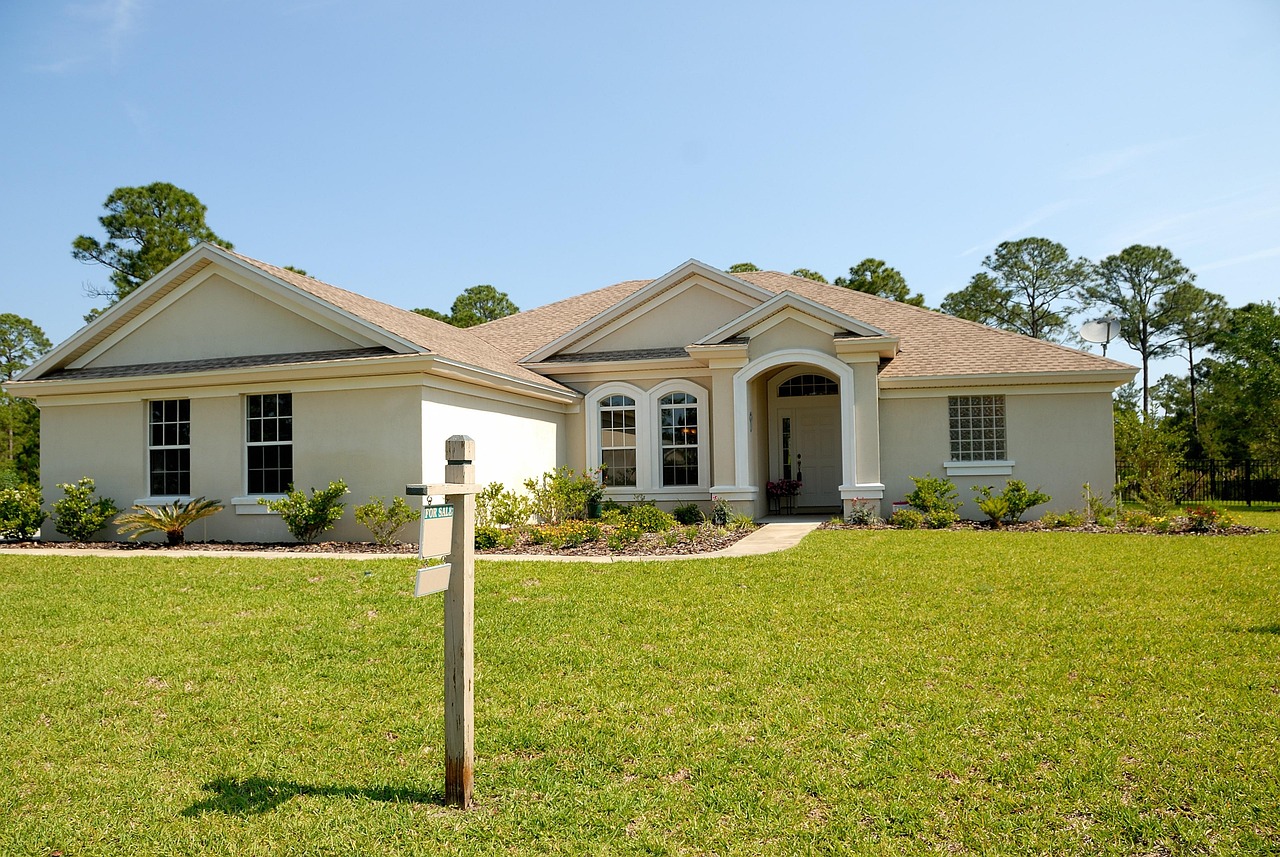
Looking for a 3 Bedroom House for Rent London Ontario ? You can find options across listings like REALTOR.ca, Zillow, and local sites, with prices that often start around the mid-$1,000s to low-$2,000s depending on neighbourhood and condition. Expect to find a mix of detached homes, townhouses, and older character houses—so prioritize location, monthly budget, and must-have features before you start touring.
As you explore listings, focus on neighbourhoods that match your commute, school needs, and lifestyle, and use site filters and saved searches to catch new listings quickly. When you find a promising place, prepare your documents and references so you can apply fast and improve your chances during the leasing process.
Finding a 3 Bedroom House for Rent in London Ontario
Expect a competitive market with many listings across Realtor.ca, Zillow, Zumper and local sites. Prioritize commute time, monthly budget, and must-have features like parking or in-unit laundry when you search.
Current Rental Market Overview
Rental supply for 3-bedroom houses in London is active across platforms such as REALTOR.ca, Zillow, Zumper, and Rentals.ca, with dozens to over a hundred listings depending on timing. Rents often start near $1,500/month for older stock and rise for renovated homes or houses in central or high-demand neighbourhoods.
You’ll see a mix of standalone houses, townhomes, and converted properties. Expect quicker turnover in student-oriented areas (Western University, Fanshawe College) and steadier availability in family neighbourhoods. Use real-time alerts and schedule viewings within 24–48 hours to secure desirable units.
Popular Neighborhoods for 3 Bedroom Houses
Central and west-end neighbourhoods you should check: Old North, Wortley Village, White Oaks, and Byron. These areas offer a variety of housing styles and provide reasonable access to downtown, schools, and green spaces.
If you need proximity to post-secondary campuses, search listings near Western University and the University Hospital; those areas see more short-term and student-focused rentals. For quieter family living, look in Nichols, Oakridge, or Stoneybrook, where three-bedroom houses commonly include yards and driveway parking.
Key Features Tenants Should Consider
Prioritize these essentials when comparing listings:
- Location: commute time, school zones, transit routes.
- Utilities: which utilities are included and average monthly costs.
- Parking and outdoor space: driveway, garage, fenced yard for pets or kids.
- Appliances and laundry: in-unit washer/dryer vs. shared or building laundry.
- Condition and upgrades: recent HVAC, roof, insulation, and modern kitchen/bath.
Also verify lease length, pet policy, and landlord responsiveness. Request recent utility bills, written inventory of amenities, and clear terms about maintenance responsibilities before you sign.
Application Process and Leasing Tips
You’ll need prepared documents, a clear understanding of lease clauses, and a budget that accounts for rent plus utilities, deposits, and possible move-in fees. Being organized and proactive speeds approval and reduces surprises.
Preparing Rental Applications
Gather these items before applying: government-issued ID, recent pay stubs (last 2–3), a recent credit report, and contact info for at least two references (previous landlord and employer recommended). If you are self-employed, include bank statements for the past three months and a letter from your accountant.
Complete each application fully and truthfully; missing fields slow processing or trigger rejections. Use a single PDF file for all documents to make uploading easier.
Offer to provide a rental resume or cover letter that highlights stable income, rental history, and responsible pet policy compliance if applicable. If landlords request a credit or background check, authorize it quickly and be prepared to explain any negative items with documentation.
Understanding Lease Terms
Read the lease start and end dates, renewal options, and the exact monthly rent amount including whether utilities are included. Note late-fee amounts, grace periods, and the method for paying rent (e-transfer, cheque, or online portal).
Check clauses on subletting, guest limits, and smoking to avoid violations that could lead to termination. Verify who is responsible for lawn care, snow removal, and routine maintenance.
Inspect policies on security deposits and damage deductions: Ontario law limits last-month rent deposits but may allow a key or pet deposit. Clarify entry notice requirements and dispute resolution steps so you know how repairs and disagreements will be handled.
Budgeting and Additional Costs
Start with base rent and add estimated monthly utilities: hydro, gas, water, and internet. For a typical 3-bedroom house in London, ON, budget extra for higher winter heating and summer AC if applicable.
Include one-time move-in costs: last month’s rent, refundable security deposit (if applicable), and a key or remote fee. Factor in renter’s insurance — often required and typically $15–$30/month.
Plan for ongoing maintenance expenses you’ll pay, like lawn care, minor repairs, and appliance replacement costs if specified in the lease. Create a simple monthly budget table to track fixed and variable housing costs:
- Fixed: Rent, sewer/water (if billed), renter’s insurance
- Variable: Electricity, gas, internet, garbage collection, heating adjustments
Keep an emergency fund equal to one month’s rent for unexpected repairs or temporary income loss.