You need cladding suppliers who balance durability, aesthetics, and regulatory compliance to protect your building and achieve the look you want. Choose Architectural Cladding Suppliers that offer tested materials, clear specification support, and proven installation services so your project stays on schedule and meets performance expectations.
This article explains how to evaluate suppliers, compare material options, and manage the working relationship from tender to handover, so you can make confident decisions and avoid costly delays.
Choosing Architectural Cladding Suppliers
You need cladding suppliers that meet performance, aesthetic, schedule, and regulatory needs for your project. Focus on material options, proven fabrication and installation capacity, and the certifications that affect approval and insurance.
Key Selection Criteria
Evaluate lead time, production capacity, and past project scale first. Confirm the supplier handled similar-sized jobs and provided mock-ups, shop drawings, and field installation crews.
Check warranty terms and scope—look for explicit coverage on finish durability, water intrusion, and attachment systems. Compare price per square meter but prioritize total installed cost, including flashing, sealants, and fasteners.
Assess technical support: on-site supervision, thermal and moisture performance calculations, and BIM/CAD files save time. Verify local inventory or regional distribution to reduce delays.
Request client references and photos of completed façades to confirm quality and timeline adherence.
Types of Cladding Materials Offered
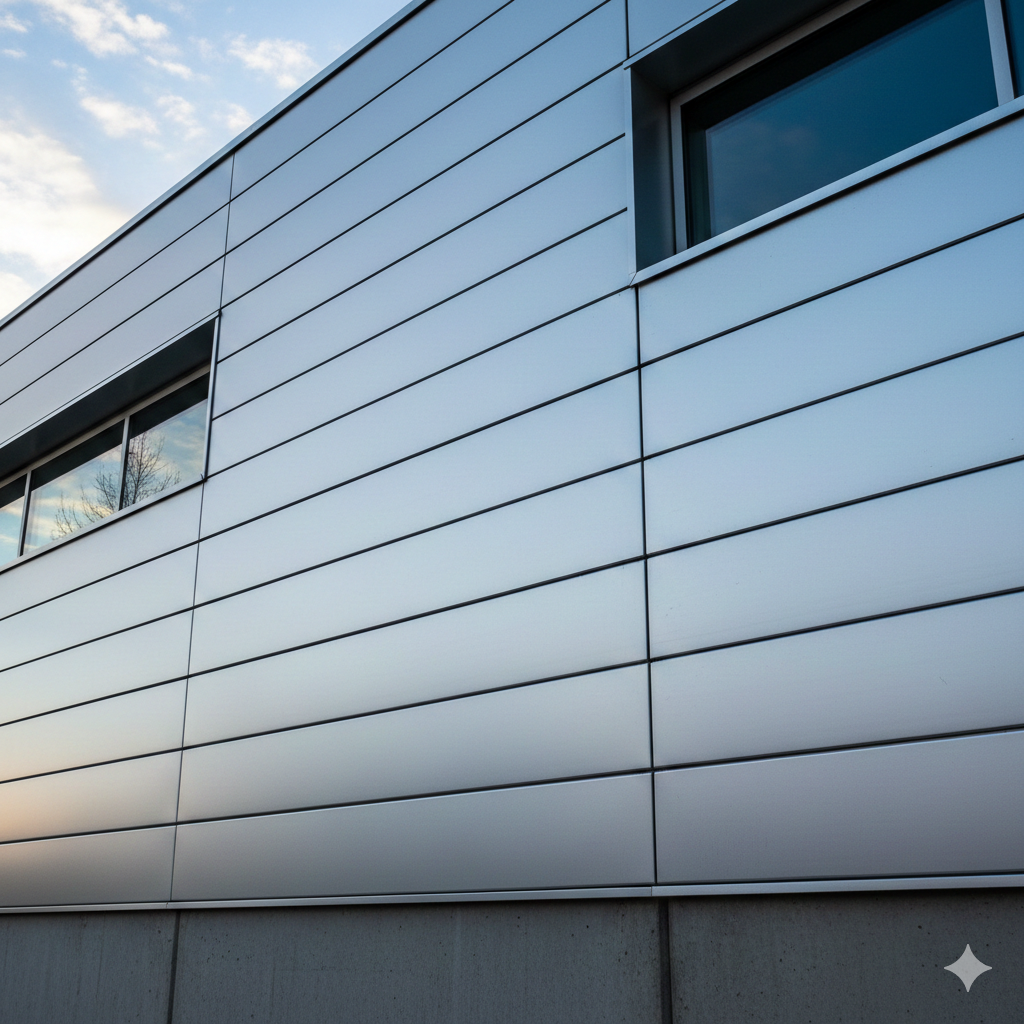
List the exact material families the supplier stocks and supplies: aluminum composite panels (ACM), solid aluminum plate, stainless steel, zinc, copper, fiber cement, high-pressure laminate (HPL), stone veneer, and terracotta rainscreen. Note available finishes: PVDF paint, anodized, natural metal patina, and specialty coatings.
Ask whether the supplier fabricates curved, bent, and perforated panels or only flat panels. Confirm panel sizes, maximum returns, and attachment options (concealed clips, through-fastened, or custom frames).
Clarify fire performance for each material—non-combustible metals and stone versus combustible core ACM—and available non-combustible cores for ACM if required by code.
Supplier Certifications and Accreditations
Require proof of ISO 9001 (quality management) and ISO 14001 (environmental) where possible. These indicate consistent fabrication processes and environmental controls.
Demand test reports for fire (NFPA 285 or equivalent), air/water infiltration (ASTM E331/E283), and structural performance (ASTM E330 or local standards).
Confirm manufacturer qualifications: factory-trained installers, certified welders for metal façades, and documented QA/QC procedures. Ask for warranty issuance authority and evidence of extended warranties through manufacturers or insurers.
If your project targets sustainability credits, request Environmental Product Declarations (EPDs), LEED documentation, and recycled-content statements.
Working With Cladding Suppliers
You will need clear timelines, reliable transport, and accessible technical support to keep your cladding project on schedule and within budget. Confirm product availability, delivery arrangements, and warranty/after-sales procedures before you commit.
Ordering and Lead Times
Confirm lead times in writing for specific product codes, finishes, and quantities before you place an order. Metal panels, ACM, and bespoke stone or curved panels often require longer fabrication periods—expect 4–12 weeks for custom profiles and 1–3 weeks for standard stock items.
Ask the supplier these specific questions:
- Exact SKU, finish code, and warranty offered.
- Minimum order quantities and allowable order changes.
- Cut-to-size or prefabrication options and associated charges.
Place a staged order if your schedule allows: secure long-lead items first and follow with secondary materials. Request a production schedule with milestone dates and penalties or remedies for missed deadlines. Keep record of purchase orders, approvals, and any change orders for site coordination.
Delivery and Logistics
Specify delivery method, site access constraints, and unloading equipment in your purchase order. Suppliers can deliver on pallet, crate, or flatbed depending on material; delicate finishes like painted ACM or natural stone need protective crating.
Provide: site contact, delivery window, weight/size limits, and traffic or permit requirements.
Use this checklist before delivery:
- Confirm truck clearance and unloading crane/winch availability.
- Verify temporary storage protection (covered, ventilated, off-ground).
- Inspect goods on arrival and record damages with photos and delivery notes.
Plan for directional sequencing of deliveries to avoid onsite handling damage. For high-rise or constrained sites, ask about supplier-offered hoisting, staged deliveries, or direct-to-floor drop-ships to minimize double handling.
After-Sales Support
Confirm warranty scope (finish, material, and installation) and the process for making claims. Ask how long technical support remains available and whether it’s phone, email, or on-site. Keep these details: warranty period, exclusions (e.g., improper installation), and remedial response times.
Request installation guides, maintenance schedules, and approved fastener lists with your delivery. These documents speed troubleshooting and preserve warranty validity.
If issues arise, file claims promptly with photos, batch numbers, and delivery notes. Agree on expected timelines for inspections and corrective work, and document any temporary repairs or site interventions to ensure a clear record for final resolution.