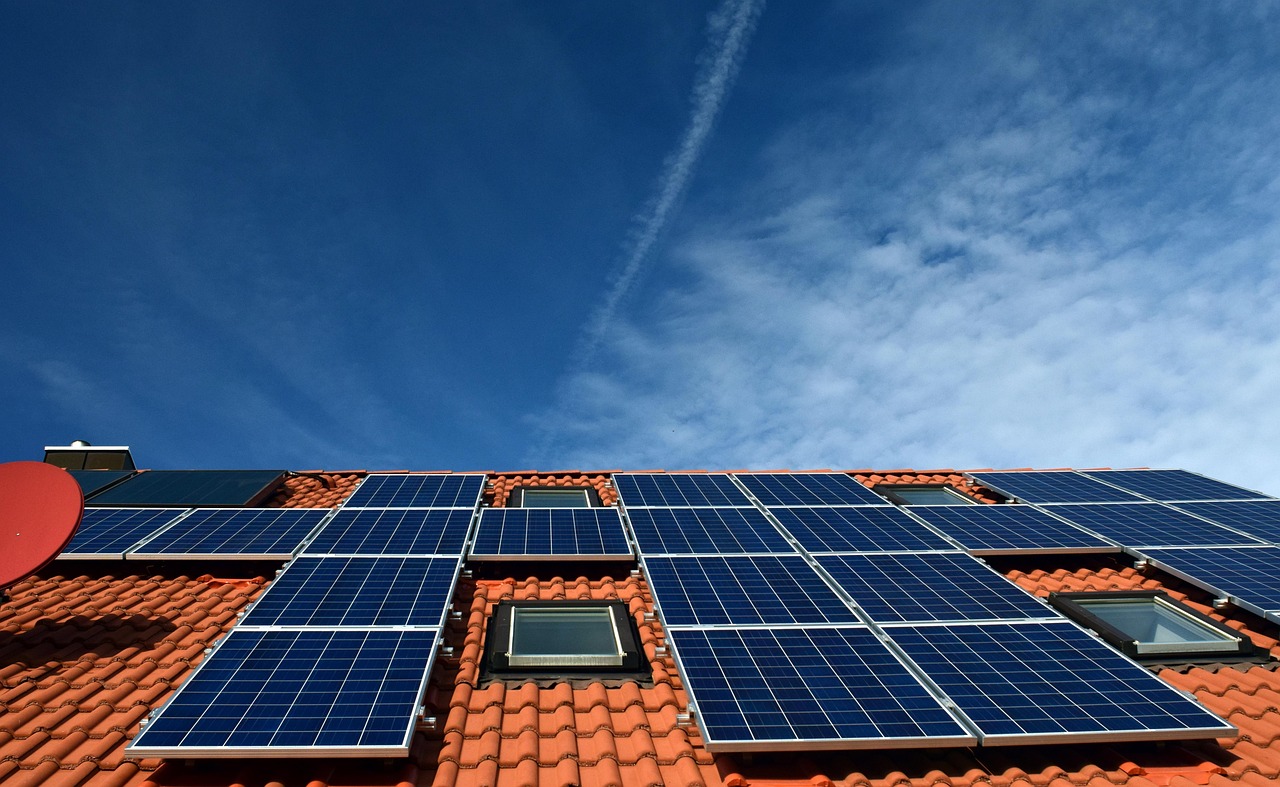
You can turn parts of a building—roofs, façades, skylights—into electricity-generating elements without sacrificing design or function. Building integrated photovoltaics BIPV replace conventional building materials with solar-producing components, letting your project serve as both a structural element and a power source.
Expect a practical overview of what BIPV is, how it differs from applied solar panels, and where it fits into sustainable design. You will see real-world applications, benefits like energy savings and aesthetic integration, and the trade-offs that affect cost and performance.
Overview of Building Integrated Photovoltaics (BIPV)
BIPV replaces conventional building materials with photovoltaic elements so your façade, roof, or glazing both protects the building and generates electricity. You gain envelope functionality—weatherproofing, daylighting, insulation—while capturing solar energy on the same surfaces.
Definition and Core Concepts
Building Integrated Photovoltaics are photovoltaic materials integrated directly into the building envelope so they perform structural or cladding functions in addition to power generation. You should distinguish BIPV from BAPV (building-applied PV): BAPV mounts panels onto existing surfaces, while BIPV substitutes or becomes part of those surfaces.
Key concepts you need to track include:
- Dual function: electrical generation plus building-material role (roofing, glazing, façade).
- Location-driven performance: orientation, tilt, shading, and local climate dictate energy yield.
- Architectural integration: aesthetics, transparency, color, and module form factor affect design decisions.
- System-level considerations: wiring, inverters, fire rating, and thermal behavior integrate with building services.
Types of BIPV Systems
BIPV systems come in primary categories based on their building application and appearance. Common types you will encounter include:
- Roof-integrated modules: replace shingles or standing-seam metal roofs with PV laminates or prefabricated roof panels.
- Façade/cladding systems: flat or ventilated curtain walls using rigid glass-glass modules, thin-film laminates, or PV cassette systems.
- Glazed PV (semi-transparent): laminated PV within insulated glazing units or skylights that provide daylight and solar generation.
- Shading devices and canopies: fixed or dynamic PV louvers and pergolas that produce power while reducing solar heat gain.
Select a type based on structural capacity, fire and wind codes, and desired daylighting. Each type has trade-offs between efficiency, visibility, weight, and cost.
Key Components and Materials
You will work with the same electrical balance-of-system elements as conventional PV plus building-specific materials. Core electrical components include:
- PV modules: crystalline silicon, thin-film (CIS/CIGS), or emerging perovskite tandems.
- Inverters and optimizers: string, microinverters, or module-level power electronics for mismatch and shading mitigation.
- Wiring, junction boxes, and monitoring hardware.
Building-material components matter equally:
- Glazing units and encapsulants: laminated glass, EVA or PVB layers, and edge seals for moisture protection.
- Mounting and cladding systems: structural rails, mechanical fixings, and ventilated cavities for thermal management.
- Fire- and weather-rated membranes: underlayment, sealants, and flashings that meet local code.
When evaluating materials, check durability (UV and moisture resistance), thermal expansion compatibility, weight per square meter, and lifecycle embodied energy.
Applications and Benefits of BIPV
BIPV replaces conventional building elements with photovoltaic materials to generate electricity, reduce material use, and contribute to building performance. Expect impacts on aesthetics, on-site energy production, and lifecycle costs when you specify BIPV.
Architectural Integration Strategies
You can integrate BIPV into roofs, façades, skylights, curtain walls, and shading devices to maintain design intent while adding generation capacity. Use semi‑transparent modules in atria and skylights to admit daylight while producing power; place opaque or textured modules on façades for visual continuity and weathering resistance.
Plan for module orientation, tilt, and potential shading from adjacent structures to maximize yield. Consider bifacial modules on south‑facing façades or angled canopies to capture reflected light and increase output. Coordinate with structural, waterproofing, and fire‑safety systems early to avoid costly rework.
Key design choices:
- Module type (monofacial, bifacial, semi‑transparent)
- Integration level (replacement vs. applied)
- Attachment and flashing details
- Electrical routing and maintenance access
Energy Generation and Efficiency
BIPV produces on‑site electricity, lowering grid consumption and peak demand for your building. Typical applications offset a portion of HVAC, lighting, and plug loads; roof and south/SE façades usually yield the highest generation per area.
Bifacial and tracking façade arrangements can boost energy per unit area compared with flat, single‑face modules. System efficiency depends on module performance, shading, orientation, and thermal behavior—integrated PV often runs hotter than rack‑mounted arrays, so allow for thermal management and ventilation in your design.
Performance considerations:
- Expected annual yield (kWh/m²) by orientation and tilt
- Inverter placement and stringing to minimize losses
- Monitoring for soiling or shading impacts
Environmental and Economic Impacts
BIPV reduces embodied material by replacing cladding or glazing, which can cut lifecycle carbon emissions when you choose low‑impact modules and durable mounting systems. Your building can qualify for green building credits (LEED, BREEAM) by demonstrating on‑site renewable generation and energy reductions.
Economically, BIPV raises upfront costs versus conventional materials but can lower total life‑cycle costs through energy savings, potential incentives, and avoided material purchases. Evaluate payback by modeling energy production, maintenance, incentives, and replacement intervals.
Financial and environmental checklist:
- Life‑cycle carbon and cost comparison (BIPV vs. conventional)
- Available incentives and feed‑in or net‑metering policies
- Durability, warranty, and maintenance planning