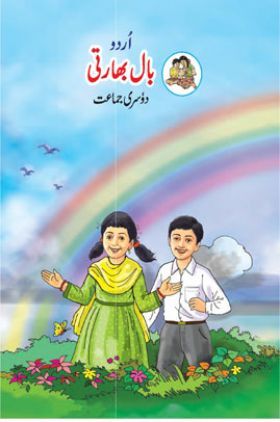
When I speak with parents of primary school students in Maharashtra, one concern comes up often: “Is my child using the correct and updated textbook?” If your child is studying Urdu medium in Class 2, the Class 2 Balbharti – Urdu Maharashtra Textbook Bureau book plays a central role in their academic foundation.
In this guide, I’ll walk you through what this textbook includes, why it matters, how it supports language development, and how parents and teachers can use it effectively. I’ll also answer common questions to make things clearer and easier for you.
Understanding the Class 2 Balbharti – Urdu Maharashtra Textbook Bureau
The Class 2 Balbharti – Urdu Maharashtra Textbook Bureau textbook is officially developed by the Maharashtra State Bureau of Textbook Production and Curriculum Research (commonly known as Balbharati). It follows the state board curriculum and is designed specifically for Urdu medium students in Maharashtra.
At this stage, children are building:
-
Reading fluency
-
Basic grammar understanding
-
Vocabulary expansion
-
Writing skills
-
Listening and speaking confidence
The book is structured to make learning gradual, engaging, and age-appropriate.
What Makes This Textbook Important?
1. Curriculum Alignment
The content strictly follows the Maharashtra State Board guidelines. This ensures that students prepare properly for school assessments and future classes.
2. Language Foundation
Class 2 is a crucial year. Children transition from recognizing words to forming sentences and understanding short passages. The textbook introduces:
-
Simple prose lessons
-
Short poems
-
Basic grammar exercises
-
Comprehension activities
This stage shapes long-term language fluency.
3. Culturally Relevant Content
The lessons often include moral stories, everyday scenarios, and culturally familiar contexts. This makes it easier for children to relate to the content and retain it.
Inside the Textbook: What Students Learn
Let me break down the key components you’ll usually find in the Class 2 Urdu Balbharti book.
📘 Prose Lessons
Short stories with simple vocabulary. These stories help children:
-
Improve reading speed
-
Understand sentence construction
-
Build comprehension skills
Teachers often use these lessons for reading aloud sessions, which improves pronunciation and confidence.
📝 Poems and Rhymes
Poetry plays an important role in memory development. Rhythmic patterns help children:
-
Learn new words
-
Improve listening skills
-
Develop expression
Parents can encourage children to recite poems at home to strengthen retention.
✍️ Grammar Basics
At this level, grammar is introduced gently. Students learn:
-
Basic sentence formation
-
Singular and plural forms
-
Simple verb usage
-
Basic punctuation
The exercises are simple but effective for building structure awareness.
📖 Practice Exercises
After each lesson, there are:
-
Question–answer sections
-
Fill-in-the-blanks
-
Matching exercises
-
Short writing tasks
These reinforce understanding and prepare students for exams.
How Parents Can Support Learning at Home
I’ve noticed that when parents stay involved, children progress faster. Here’s how you can help:
1. Daily Reading Routine
Ask your child to read one lesson aloud daily. Even 10 minutes makes a difference.
2. Encourage Storytelling
After reading a story, ask them to explain it in their own words. This strengthens comprehension.
3. Vocabulary Notebook
Maintain a small notebook for new Urdu words learned each week.
4. Practice Writing
Short sentences or 3–4 line paragraphs improve writing confidence.
Benefits of Using the Official Maharashtra Textbook
Choosing the official Class 2 Balbharti – Urdu Maharashtra Textbook Bureau book offers several advantages:
-
Accurate syllabus coverage
-
Reliable content quality
-
Exam-focused structure
-
Standardized learning framework
-
Age-appropriate difficulty level
Using unofficial materials may cause confusion due to mismatched content.
Digital Access and Study Support
Many parents now look for digital study support. While the printed textbook remains primary, some platforms provide supplementary access and revision support.
For example, educational platforms like Netbookflix offer structured academic resources that help students revise textbook-based concepts more conveniently. However, the textbook itself should remain the core learning source.
Common Challenges Students Face
Even with a well-designed textbook, some children struggle. Here are common issues:
Difficulty in Reading Fluently
Solution: Daily loud reading practice improves speed and clarity.
Limited Vocabulary
Solution: Word repetition and usage in sentences help retention.
Writing Hesitation
Solution: Encourage short, stress-free writing tasks without focusing too much on mistakes initially.
Practical Teaching Tips for Educators
Teachers can enhance classroom engagement by:
-
Using role-play for story lessons
-
Conducting poem recitation competitions
-
Encouraging peer reading
-
Assigning small group discussions
Interactive learning increases participation and memory retention.
10 Frequently Asked Questions (FAQs)
1. What is the Class 2 Balbharti – Urdu Maharashtra Textbook Bureau book?
It is the official Urdu medium textbook prescribed by the Maharashtra State Board for Class 2 students.
2. Is this textbook compulsory for Maharashtra schools?
Yes, most state board schools in Maharashtra follow the official Balbharti textbook.
3. Does the book cover grammar basics?
Yes, it introduces simple grammar concepts suitable for Class 2 learners.
4. How can parents download the Class 2 Urdu Balbharti textbook?
The Maharashtra State Board often provides digital PDF versions through official educational portals.
5. Is the syllabus updated regularly?
Yes, the Maharashtra Textbook Bureau periodically reviews and updates content.
6. What skills does the textbook focus on?
It focuses on reading, writing, vocabulary, grammar basics, and comprehension skills.
7. Can students prepare for exams using only this textbook?
Yes, the textbook is designed to cover the full syllabus for school exams.
8. How can I improve my child’s Urdu reading skills?
Daily reading practice from the Class 2 Balbharti Urdu textbook improves fluency significantly.
9. Are there additional worksheets available?
Teachers often create worksheets based on textbook lessons for extra practice.
10. Is digital learning necessary along with the textbook?
Digital resources can support revision, but the primary focus should remain on the official Maharashtra textbook.
Final Thoughts
The Class 2 Balbharti – Urdu Maharashtra Textbook Bureau textbook is more than just a school book — it builds the foundation of language learning at a critical stage. With structured lessons, gradual skill development, and curriculum alignment, it supports students academically and linguistically.
When parents, teachers, and students work together using the right textbook and consistent practice methods, progress becomes natural and steady.
If your child is in Class 2 Urdu medium, staying connected with the textbook’s structure and supporting regular practice can make a lasting difference in their confidence and academic journey.
Learning at this age should feel encouraging, not overwhelming — and with the right guidance, it truly can be.