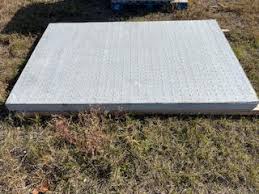
Underground electrical systems support almost every part of modern life. We use electricity for lighting, heating, cooling, computers, machines, and communication networks. In cities and large construction projects, engineers often place electrical cables underground to protect them and keep the area clean and organized.
However, underground wiring systems need access points for installation, inspection, and maintenance. One of the most important components that provides this access is a concrete pull box.
In this blog, we will explain in easy and simple English what a concrete pull box is and describe the main uses of a concrete pull box in underground electrical systems. We will also discuss why contractors choose concrete pull boxes for many types of projects.
What Is a Concrete Pull Box?
A concrete pull box is a strong underground enclosure made from reinforced concrete. Workers install it below ground level to create an access point for electrical conduits and cables.
Electricians use the pull box to pull, connect, inspect, and maintain underground wiring. The box usually has a removable lid on top. When workers need access, they open the lid and reach the cables inside.
Most contractors use precast concrete pull boxes. In this method, workers manufacture the box in a factory. They control the concrete mix, curing process, and reinforcement placement. After production, they deliver the finished unit to the construction site and install it in the ground.
This system provides strength, durability, and easy installation.
Why Underground Electrical Systems Need Pull Boxes
When electricians install underground cables, they place them inside conduits. These conduits can run for long distances under roads, sidewalks, buildings, and parking lots.
But cables cannot run in one continuous straight line without access points. Workers need safe and convenient places to:
-
Pull cables in sections
-
Change direction
-
Connect wires
-
Perform maintenance
-
Inspect system performance
Without pull boxes, workers would need to dig up large sections of ground to fix small problems. This would increase costs and delay repairs.
Concrete pull boxes solve this problem by providing strong, reliable access points.
Main Uses of a Concrete Pull Box in Underground Electrical Systems
Let us explore the main uses in detail.
1. Assisting with Cable Pulling
One of the primary uses of a concrete pull box is to help electricians pull cables through underground conduits.
Electrical cables can be long, heavy, and difficult to manage. If workers try to pull cables through very long conduit runs without access points, they may damage the cables due to excessive tension.
Concrete pull boxes divide long conduit runs into shorter sections. Workers pull cables from one pull box to the next. This reduces stress on the cable and makes installation smoother.
By using pull boxes, electricians:
-
Reduce cable tension
-
Prevent insulation damage
-
Improve installation speed
-
Increase overall safety
This makes the cable installation process more efficient and reliable.
2. Allowing Direction Changes in Conduits
Underground electrical systems rarely follow a straight path. Conduits often turn to avoid obstacles such as building foundations, water lines, or other utilities.
When conduits change direction, engineers install a concrete pull box at the turning point. This allows electricians to pull cables safely around corners.
Without a pull box at direction changes, cables could bend too sharply and become damaged. Sharp bends increase friction and tension, which can weaken the cable over time.
Concrete pull boxes ensure smoother transitions and protect cables from unnecessary stress.
3. Providing a Space for Cable Splicing and Connections
In many projects, electricians need to connect different cable sections. They may also need to branch power from a main line to supply another building or system.
Concrete pull boxes provide a safe and protected space for:
-
Cable splicing
-
Wire connections
-
Junction installations
-
Branching circuits
The reinforced concrete structure shields these connections from moisture, dirt, and external pressure. This protection reduces the risk of electrical failure.
By keeping connections secure inside a pull box, workers improve system reliability.
4. Enabling Easy Maintenance and Inspection
All electrical systems require regular inspection and maintenance. Over time, cables may wear out or connections may loosen.
Concrete pull boxes allow technicians to access underground cables without digging up large areas. Workers simply remove the lid and inspect the wiring inside.
Maintenance activities may include:
-
Testing electrical performance
-
Checking for water intrusion
-
Inspecting cable insulation
-
Replacing damaged sections
Because pull boxes provide direct access, repairs become faster and less expensive.
5. Protecting Underground Cable Connections
Underground environments can be harsh. Soil pressure, heavy vehicles, and groundwater can damage exposed wiring.
Concrete pull boxes provide strong protection because they are made from reinforced concrete. Steel reinforcement inside the concrete increases strength and prevents cracking.
The solid structure protects cables from:
-
Soil movement
-
Heavy traffic loads
-
Accidental digging
-
Physical impact
In areas like highways and parking lots, this protection becomes especially important.
6. Organizing Multiple Conduit Lines
Large projects often include multiple conduits running underground. These conduits may carry:
-
Power cables
-
Communication lines
-
Fiber optic cables
-
Control wiring
Concrete pull boxes allow workers to organize and manage all these lines in one location.
Inside the pull box, workers can label cables, inspect connections, and separate systems safely. This organization reduces confusion and improves long-term maintenance.
7. Supporting Large Infrastructure Projects
Concrete pull boxes play a key role in large construction projects such as:
-
Commercial buildings
-
Shopping centers
-
Hospitals
-
Airports
-
Universities
-
Industrial facilities
-
Residential communities
These projects require reliable underground electrical systems. Pull boxes create structured access points throughout the system.
Engineers design the layout carefully to ensure efficient cable routing and easy future expansion.
8. Improving Safety in Electrical Systems
Safety is a top priority in electrical construction. Concrete pull boxes improve safety in several ways.
They:
-
Reduce cable stress
-
Protect connections from damage
-
Limit exposure to live wires
-
Provide controlled access
The secure concrete enclosure keeps cables protected from unauthorized access and environmental damage.
9. Increasing System Longevity
Because concrete pull boxes protect connections and reduce cable strain, they help extend the life of the entire electrical system.
Strong protection prevents early wear and reduces the risk of sudden failures. As a result, owners save money on repairs and replacements.
Key Features of Concrete Pull Boxes
Concrete pull boxes offer several features that make them ideal for underground electrical systems.
Strength and Durability
Reinforced concrete provides high strength. It handles soil pressure and traffic loads without cracking easily.
Precast Manufacturing
Many manufacturers produce precast pull boxes in controlled factory environments. This ensures:
-
Consistent quality
-
Proper curing
-
Accurate dimensions
-
Reliable performance
Precast production also speeds up installation on-site.
Custom Sizes and Designs
Manufacturers offer pull boxes in various sizes and depths. Engineers select the right size based on:
-
Cable quantity
-
Cable size
-
Load requirements
-
Project specifications
Installation Process
Workers follow a clear process when installing a concrete pull box:
-
They excavate the area to the required depth.
-
They prepare a stable base using gravel or compacted soil.
-
They place the precast pull box into the excavation.
-
They connect conduits to the box openings.
-
They backfill around the structure.
-
They install the cover securely.
After installation, the pull box becomes part of the underground electrical network.
Advantages of Using Concrete Pull Boxes
Concrete pull boxes provide many benefits:
-
Easier cable installation
-
Faster maintenance access
-
Better system organization
-
Strong protection from damage
-
Long service life
-
Reduced repair costs
Because of these advantages, contractors use them in many construction projects.
Conclusion
Concrete pull boxes play an essential role in underground electrical systems. They provide safe and convenient access points for pulling, connecting, inspecting, and maintaining cables.
Their reinforced concrete structure protects underground wiring from soil pressure, moisture, heavy traffic loads, and accidental damage. By organizing cables and reducing installation stress, they improve efficiency and system reliability.