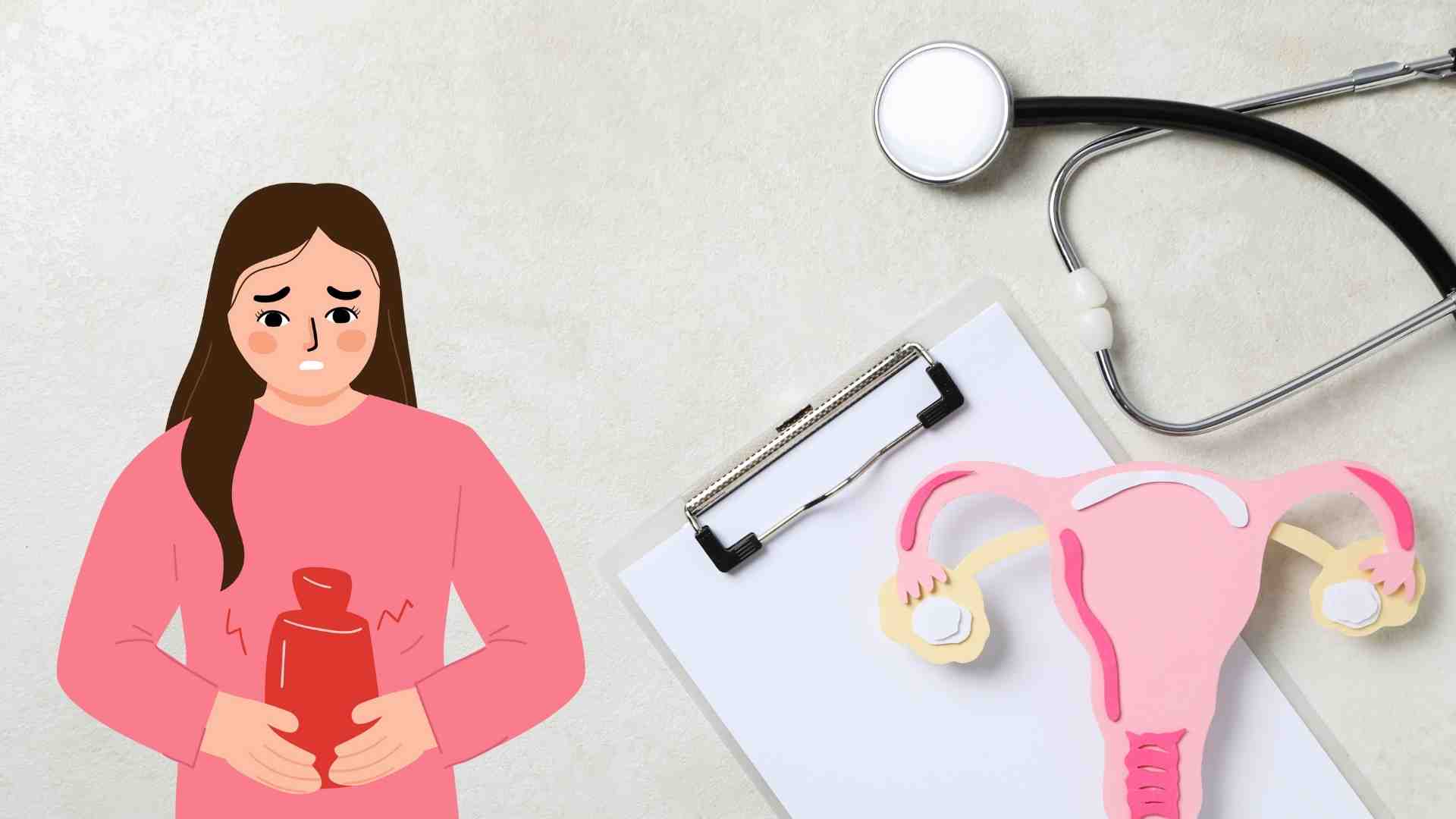
Menstrual hygiene health education is essential for the physical, emotional, and social well-being of girls and women. In many parts of India, menstruation is still surrounded by myths and silence. Because of this, many girls feel confused or scared when they experience their first period. Proper education helps them understand that menstruation is a natural and healthy biological process.
Understanding Menstruation
Menstruation is a normal part of a woman’s reproductive cycle. Every month, the body prepares for pregnancy, and when pregnancy does not happen, the lining of the uterus sheds as menstrual blood. Menstrual hygiene health education explains this process in simple terms. When girls understand what is happening inside their bodies, they feel more confident and less anxious.
Importance of Proper Hygiene Practices
Maintaining hygiene during periods is very important. Girls should use clean sanitary pads, tampons, or menstrual cups. They should change pads every 4–6 hours to prevent infections and discomfort. Washing hands before and after changing menstrual products is equally important. Cleaning the genital area with water and keeping it dry helps avoid rashes and irritation.
Menstrual hygiene health education teaches these simple but powerful habits. It reduces the risk of urinary tract infections and reproductive health problems. It also improves overall comfort during periods.
Breaking Myths and Social Stigma
In many communities, people treat menstruation as something impure. Some girls face restrictions during their periods. They may not enter kitchens, temples, or social gatherings. These beliefs create shame and lower self-confidence.
Menstrual hygiene health education helps break these myths. It encourages open conversations at home and in schools. When families and teachers talk openly about menstruation, girls feel supported. Boys should also receive education on this topic so they can understand and respect the natural process.
Role of Schools and Families
Schools play a major role in spreading awareness. They should provide clean toilets, proper disposal systems, and regular awareness sessions. When girls feel safe and comfortable at school, they do not miss classes during their periods.
Parents, especially mothers, should talk to their daughters before their first period. Fathers and brothers should also create a supportive environment. A caring family makes a big difference in a girl’s confidence.
Emotional Well-Being and Support
Periods often bring cramps, mood swings, and fatigue. Menstrual hygiene health education also focuses on emotional health. Girls should learn simple ways to manage pain, such as light exercise, warm compress, proper sleep, and a balanced diet. Understanding these changes helps them feel normal and strong.
Conclusion
Menstrual hygiene health education is not just about cleanliness. It is about dignity, confidence, and equal opportunities. When society provides the right knowledge and facilities, girls can grow without fear or shame. By promoting awareness at home, in schools, and in communities, we can create a healthier and more empowered generation of women in India.