You step into a landscape where history and modern demand meet: Mining in Michigan helped launch U.S. copper and iron industries and now hosts renewed mining activity for critical minerals like nickel and rare earths. You’ll learn which minerals still drive the state’s economy, where active projects operate, and why mining regulations and community impacts matter for Michigan’s future.
Expect a clear look at industry scale, workplace and environmental safeguards, and the economic trade-offs that shape local communities and statewide policy.
Overview of Mining in Michigan
You will find a deep mining heritage, active metal and industrial-material operations, and concentrated activity in the Upper Peninsula and select Lower Peninsula sites. Expect details on how historic extraction shaped communities, what mines operate now, the principal commodities, and where they are concentrated.
Historical Development
Michigan’s mining history centers on 19th- and early-20th-century copper and iron booms that established large regional mining districts. Copper extraction around the Keweenaw Peninsula began in the 1840s and drove town growth, shipping, and early industrialization. Iron ore mining in the Marquette Range and Menominee Range powered Great Lakes shipping and Midwest steelmaking.
You will see legacy infrastructure—abandoned shafts, processing remains, and historic towns—along with extensive archival records. That legacy also includes environmental impacts and reclamation efforts that shape modern permitting and site management.
Current Mining Operations
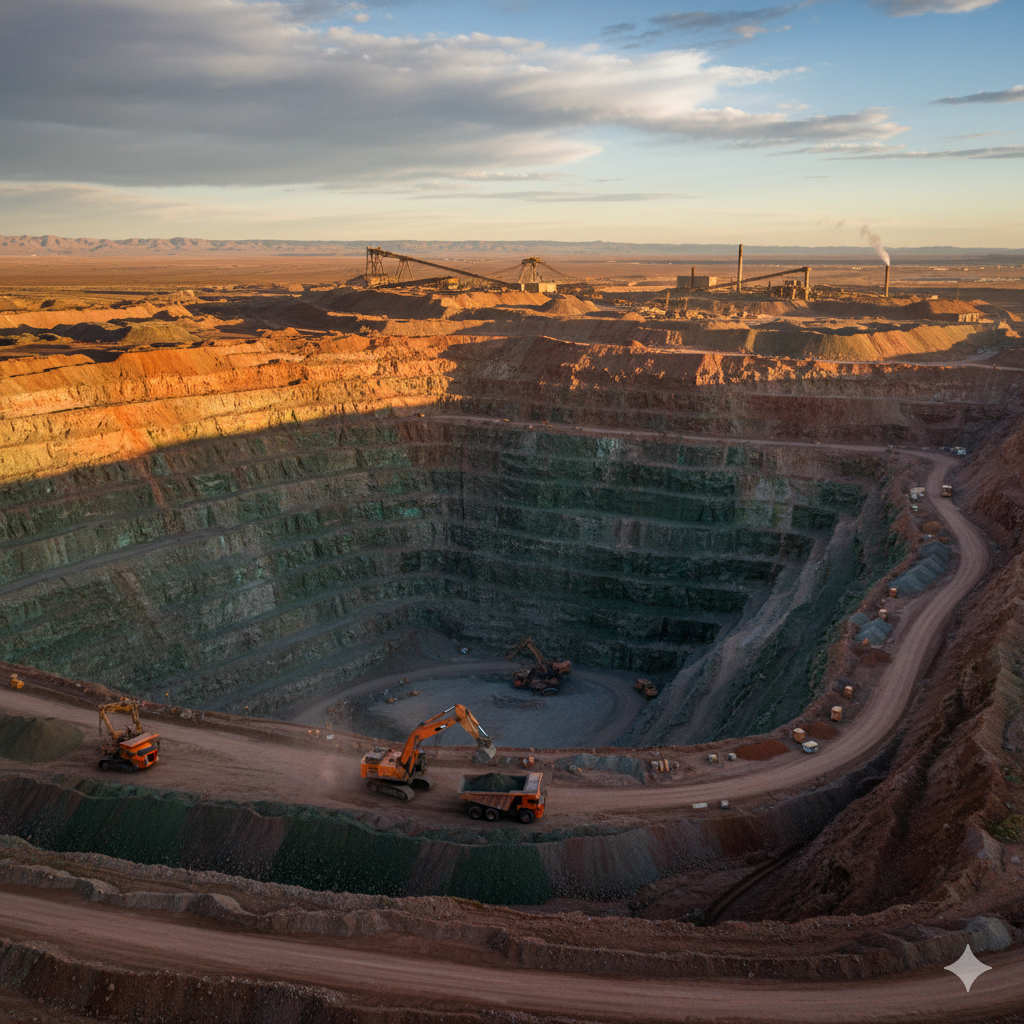
Today’s operations include underground and open-pit mines, processing plants, and aggregate quarries. Active metal projects focus on nickel, copper, and iron, driven in part by battery and electrification demand. Industrial minerals—sand, gravel, cement, and dimension stone—support construction and manufacturing across the state.
Regulatory oversight comes from state divisions that issue permits, require reclamation plans, and manage waste and transport standards. You should expect a mix of long-running operations and exploration projects targeting sulfide deposits and near-surface ores.
Major Minerals and Resources
- Copper: Historically dominant in the Keweenaw; remains of interest for remnant and deeper deposits.
- Iron ore: Concentrated in Upper Peninsula ranges and still produced for steel feedstock.
- Nickel: Growing focus due to battery raw-material demand; both sulfide targets and laterite prospects appear.
- Industrial materials: Sand, gravel, cement, and crushed stone supply construction and concrete industries.
You will note that precious metals (silver, historically) occur but at far smaller scales today. Production volumes vary year to year with metal prices, technology, and permitting timelines.
Key Mining Regions
- Keweenaw Peninsula: Primary historic copper district with remnant exploration and cultural mining sites.
- Marquette and Menominee Ranges: Core iron-ore production zones with active and legacy operations.
- Upper Peninsula interior: Emerging nickel and copper exploration targets tied to battery supply chains.
- Lower Peninsula corridors: Concentrated sand, gravel, and aggregate quarries near population and infrastructure centers.
Maps and company filings typically list specific mine names and coordinates; you should consult state mine records or USGS datasets for current, site-level details.
Mining Regulations and Economic Impact
Michigan balances regulatory oversight, workforce needs, economic output, and sustainable practices to manage mining projects across the state. You will encounter permitting processes, employment patterns concentrated in the Upper Peninsula, measurable contributions to local economies, and state-led initiatives aimed at reducing environmental harm.
Permitting and Environmental Laws
You must obtain state and federal permits before starting most mining activities in Michigan. The Michigan Department of Environment, Great Lakes, and Energy (EGLE) and the Geologic Resources Management Division oversee permits for extraction, reclamation plans, and waste handling.
Permitting commonly requires detailed mine plans, financial assurance (bonding) for reclamation, and documentation of handling for ore, waste rock, and tailings. You will also need water management approvals when projects affect lakes, streams, wetlands, or groundwater under state water quality and wetland rules.
Federal reviews — including Clean Water Act and NEPA for projects on federal lands or requiring federal permits — can add steps and timelines. Noncompliance can trigger stop-work orders, fines, and requirements to remediate environmental impacts, so accurate baseline studies and community engagement usually speed reviews.
Workforce and Industry Employment
You will find most mining employment concentrated in Michigan’s Upper Peninsula and specific operations such as metallic mining, aggregate, and industrial minerals. Jobs range from geologists, drill operators, and environmental scientists to heavy-equipment operators and mill technicians.
Training pathways include community college programs, trade apprenticeships, and in-house company training; many firms also partner with local workforce boards to recruit veterans and displaced workers.
Employment levels fluctuate with commodity prices and project development schedules. You should expect cyclical hiring during construction and reduced staffing during closure and reclamation phases. Wages in mining roles tend to be above regional averages, but safety certifications and site-specific training are commonly required before you can work on active sites.
Economic Contributions
Mining directly supports regional economies through jobs, supplier contracts, and tax revenues that fund local services. In the Upper Peninsula, mineral production of copper, iron, and aggregates sustains small towns and supports secondary industries like transportation and equipment maintenance.
You will see multiplier effects where each mining job supports additional jobs in retail, health care, and public services. Municipalities often receive property taxes, severance or production-based fees, and permit-related revenues, which can finance roads, schools, and emergency services.
Project-level economic assessments typically quantify capital investment, operating payroll, and local procurement. Investors and local governments use those figures to evaluate proposals, approve tax incentives, or negotiate community benefit agreements tied to hiring, training, and environmental protections.
Sustainable Mining Initiatives
You will encounter state and industry programs aimed at reducing environmental impacts and promoting reclamation. Michigan requires reclamation plans and financial assurance so companies restore land and manage post-mining drainage and vegetation.
Best practices include progressive reclamation (working areas restored during operations), tailings and waste-rock management plans, and water-monitoring programs to protect lakes and groundwater. Companies increasingly adopt modern processing to reduce waste and energy use.
State recommendations and revised regulations now emphasize critical-minerals development while tightening water and wetland protections. You should expect stronger permitting conditions, mandatory monitoring, and community consultation requirements for projects proposing hard-rock or large-scale metallic mining.