Point of Sale Systems And Complete Business Guide
In today’s competitive market, businesses need tools that simplify and improve the accuracy of daily operations. Point-of-sale systems have become essential for retailers, restaurants, supermarkets, and service providers. They do much more than just process payments. A modern POS solution helps manage inventory, track sales, and improve customer service.
If you run a small shop or a growing business, understanding how point of sale systems work can help you make smarter decisions and increase efficiency.
What Are Point of Sale Systems?
Point-of-sale systems are digital platforms that enable businesses to process sales transactions. When a customer buys a product, the POS system calculates the total amount, processes the payment, and records the transaction.
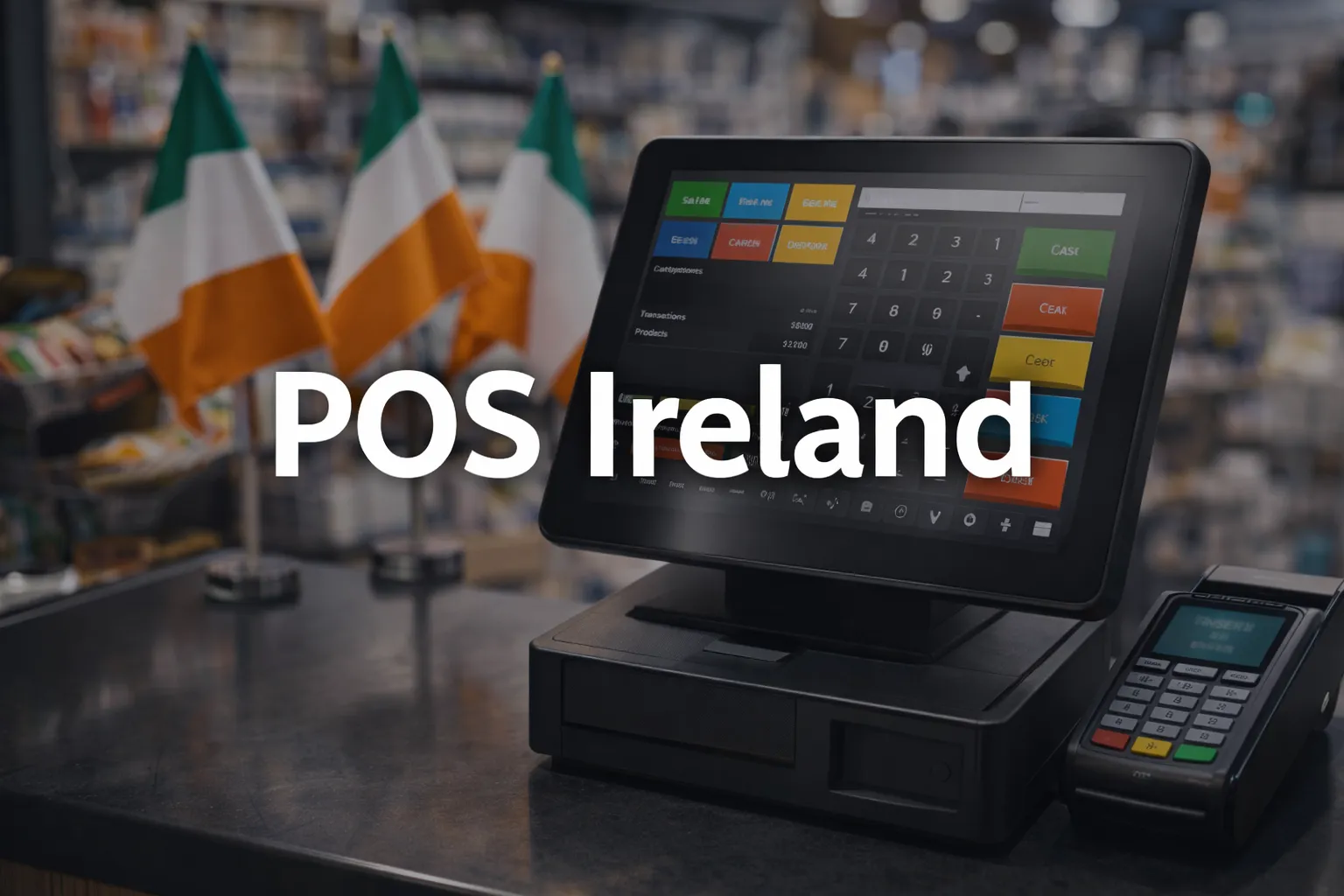
However, modern systems go beyond simple billing. They combine hardware and software to handle multiple tasks in a single location.
Common POS Hardware
- Touchscreen terminal
- Barcode scanner
- Receipt printer
- Cash drawer
- Card payment machine
POS Software Features
- Sales tracking
- Inventory management
- Customer data storage
- Reporting and analytics
Together, these tools create a complete sales management solution.
Why Businesses Need Point of Sale Systems
Manual record-keeping is slow and error-prone. Point-of-sale systems reduce errors and save time. They automatically update stock levels and provide real-time reports.
For example, when a product is sold, the system instantly adjusts the inventory count. This helps prevent stock shortages or over-ordering.
Businesses also benefit from accurate daily, weekly, and monthly reports. These insights help owners understand which products sell the most and which ones need better promotion.
Types of Point of Sale Systems
Different businesses have different needs. Choosing the right type is important.
Retail POS Systems
Retail stores use POS systems to scan products, apply discounts, and manage inventory. These systems are ideal for clothing stores, grocery shops, and electronics outlets.
Restaurant POS Systems
Restaurants require specialized features such as table management, order tracking, and kitchen display integration. A restaurant POS system ensures faster service and accurate billing.
Cloud-Based POS Systems
Cloud-based point-of-sale systems store data online. This allows business owners to access reports from anywhere. Cloud solutions also offer automatic updates and secure data backups.
Key Features to Look For
When selecting a point-of-sale system, consider these important features.
Easy-to-Use Interface
A simple interface reduces staff training time. Employees can quickly learn how to process sales and handle returns.
Inventory Control
Good POS software automatically tracks stock levels. It can send alerts when items are running low.
Sales Reporting
Detailed reports show revenue trends, top-selling products, and customer buying patterns. This data supports smarter decision-making.
Payment Flexibility
Modern point-of-sale systems accept multiple payment methods, including cash, credit cards, debit cards, and digital wallets.
For more articles, pos ireland
Benefits of Using Point of Sale Systems
Businesses that use POS systems experience several advantages:
- Faster checkout process
- Improved accuracy in billing
- Better stock management
- Reduced manual paperwork
- Enhanced customer experience
Customers appreciate quick and smooth transactions. Shorter wait times lead to higher satisfaction and repeat visits.
Point of Sale Systems for Small Businesses
Small businesses often think POS systems are expensive. However, many affordable options are available today. Cloud-based solutions especially offer budget-friendly plans.
For startups, a simple system with essential features may be enough. As the business grows, the system can be upgraded with advanced tools.
Investing early in reliable point-of-sale systems can prevent operational issues in the future.
Common Mistakes to Avoid
Some businesses choose POS systems based only on price. While cost matters, quality and support are equally important.
Before buying, check:
- Compatibility with existing hardware
- Customer support availability
- Software updates and security
- Scalability for future growth
Selecting the wrong system can create long-term problems.
Security and Data Protection
Modern point-of-sale systems include security features to protect customer information. Encrypted payment processing ensures safe transactions.
Regular software updates help prevent cyber threats. Businesses should always choose trusted providers with strong security standards.
The Future of Point of Sale Systems
Technology continues to evolve. Many POS systems now integrate with e-commerce platforms. This allows businesses to manage online and in-store sales from one dashboard.
Mobile POS devices are also becoming popular. These allow sales transactions across the store, reducing checkout congestion.
Automation and artificial intelligence may further enhance reporting and inventory forecasting in the future.
Conclusion
Point-of-sale systems have transformed how businesses operate. They simplify billing, improve inventory tracking, and provide valuable sales insights. Whether you manage a small retail store or a busy restaurant, the right POS system can increase efficiency and profitability.
By choosing reliable point-of-sale systems with essential features and strong support, businesses can streamline operations and deliver better customer experiences. In today’s digital world, investing in a modern POS solution is not just an option but a smart step toward growth.