Introduction: The Shift Towards a Cleaner Future
The UK government has announced a landmark policy to phase out petrol and diesel cars by 2030. This decision marks a significant shift towards cleaner energy and low-emission transportation. For car enthusiasts, dealers, and importers, the policy signals a new era of vehicle procurement and sales. Understanding how these changes intersect with Japanese imports is crucial for both buyers and businesses in the automotive sector.
Overview of UK 2030 Petrol and Diesel Ban
By 2030, the UK plans to ban the sale of new petrol and diesel cars. Hybrid vehicles will face restrictions by 2035. The policy is part of a broader strategy to reduce carbon emissions and meet climate targets. For the automotive market, this means an increasing demand for electric vehicles (EVs) and plug-in hybrids, while traditional petrol and diesel models will gradually lose resale value.
Impact on Vehicle Imports from Japan
Japan has long been a major supplier of reliable and affordable cars to the UK. With the 2030 ban, the types of vehicles imported will need to align with new standards. Petrol and diesel models may still enter the market temporarily but their attractiveness to buyers will diminish. Importers will need to focus on sourcing low-emission and hybrid models that comply with UK regulations to stay competitive.
Trends in Electric and Hybrid Japanese Vehicles
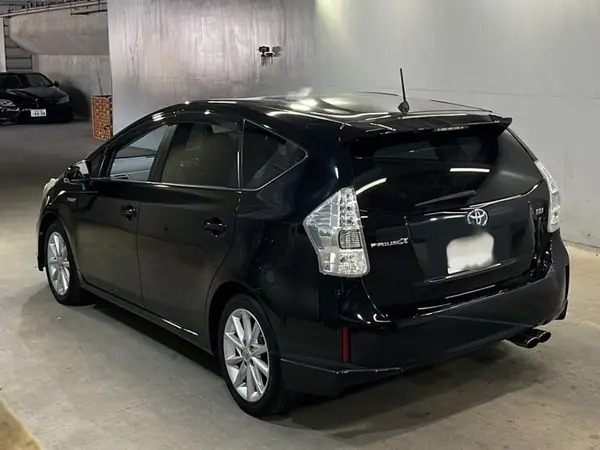
Japanese manufacturers have already invested heavily in hybrid and electric technology. Models like the Toyota Prius and Nissan Leaf exemplify Japan’s commitment to eco-friendly mobility. For UK importers, this presents a golden opportunity to offer a range of sustainable vehicles that meet the upcoming regulatory demands. Consumers will increasingly favor energy-efficient cars, making these models highly marketable.
Navigating Compliance and Registration Rules
Importing Japanese cars to the UK requires strict adherence to registration, emissions, and safety standards. The Vehicle Certification Agency (VCA) ensures all imported cars meet legal requirements. From type approval documentation to emissions testing, importers must stay informed. Preparing vehicles in advance for compliance will reduce delays and avoid penalties, ensuring a smoother market entry.
Economic Implications for UK Buyers and Dealers
The 2030 ban will influence pricing and demand for certain vehicle types. Petrol and diesel models may depreciate faster, while electric and hybrid cars could command a premium. Dealers and buyers must adjust strategies accordingly. Japanese used car dealers in UK will need to diversify their inventory, balancing traditional models with newer hybrid and electric options to maintain profitability.
Opportunities in Japanese Used Car Market
The Japanese used car market is vast and diverse, offering vehicles that are both affordable and technologically advanced. Buyers seeking alternatives to expensive new EVs can find high-quality hybrids and electric cars at competitive prices. With careful selection, importers can cater to environmentally conscious consumers, ensuring long-term growth. For those exploring options, sourcing used cars for sale in japan provides access to models well-suited for the UK’s evolving automotive landscape.
Preparing for the Transition: Tips for Importers
To thrive in this changing environment, importers should conduct detailed market research, focusing on eco-friendly Japanese models. Building relationships with reputable Japanese dealers ensures access to certified vehicles. Additionally, understanding UK incentives for electric cars, such as grants and tax benefits, can improve sales margins and buyer appeal. Strategic planning today will lead to long-term success.
Conclusion: Strategic Moves for Buyers and Dealers
The UK’s 2030 petrol and diesel ban is a pivotal moment for the automotive industry. Importers, dealers, and buyers must adapt to a market increasingly dominated by electric and hybrid vehicles. By embracing Japanese innovations and prioritizing compliant, low-emission models, businesses can secure their position while offering consumers vehicles that align with the country’s green vision.
FAQs
1. Will petrol and diesel Japanese cars still be allowed in the UK after 2030?
Yes, existing petrol and diesel cars can still be driven and sold second-hand, but new sales will be prohibited.
2. What types of Japanese vehicles are best for future-proof imports?
Hybrid and fully electric models from manufacturers like Toyota, Nissan, and Honda are ideal for the UK market.
3. Are there special incentives for importing Japanese EVs?
Yes, UK buyers may qualify for grants and tax breaks for low-emission vehicles, which can enhance affordability.
4. How can importers ensure vehicles meet UK compliance standards?
Vehicles must pass emissions testing and receive VCA type approval. Documentation should be thorough and verified.
5. Where can I find reliable Japanese used cars for UK import?
Reputable sources include certified dealers offering used cars for sale in japan, ensuring quality and proper maintenance history.
This article provides clear insights for buyers and dealers navigating UK automotive policy changes, highlighting practical strategies and market opportunities.