A Thought Leadership Perspective by Digilog
In high-traffic service environments, efficiency is no longer defined solely by speed — it is defined by visibility, predictability, and experience. From hospitals and banks to retail outlets and public service centers, organizations are under increasing pressure to manage customer flow while maintaining service quality.
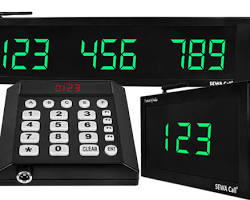
This is where the wireless token display system is emerging as a critical operational technology.
Yet many decision makers still view it as a simple queue tool rather than what it truly is: a strategic platform that shapes customer perception, operational efficiency, and brand credibility.
Organizations that understand this shift are not merely reducing wait times — they are redesigning service ecosystems for the modern era.
A Strong Perspective: Queue Management Reflects Organizational Maturity
Queues are more than a logistical challenge; they are a visible representation of how well an organization manages demand.
A chaotic waiting area signals inefficiency, while a structured digital queue signals control, transparency, and professionalism.
In today’s experience-driven economy, customers equate organized service flow with competence. That’s why queue management technology should not sit under facilities management alone — it should be part of operational strategy.
The organizations that treat wireless token display systems as strategic infrastructure consistently outperform those that see them as basic hardware.
Why Wireless Architecture Is Transforming Service Environments
Traditional wired systems solved the problem of queue order but introduced constraints — rigid layouts, installation complexity, and high maintenance costs. Wireless systems remove these barriers and introduce a new level of operational agility.
Flexibility Across Dynamic Spaces
Modern facilities frequently evolve — new counters open, departments expand, layouts change. Wireless systems adapt without disruptive rewiring, allowing organizations to scale operations seamlessly.
Rapid Deployment
In fast-moving industries, downtime is costly. Wireless installations significantly reduce deployment time, enabling organizations to enhance service flow without interrupting daily operations.
Multi-Location Consistency
For enterprises with multiple branches, wireless systems allow standardized queue experiences across locations, strengthening brand consistency and service predictability.
These advantages make wireless token display systems a foundational component of modern service infrastructure rather than a peripheral tool.
Industry Insight: The Experience Economy Is Driving Adoption
Across sectors, three macro trends are accelerating the transition toward advanced queue management systems:
1. Rising Customer Expectations
Digital platforms have conditioned customers to expect transparency and real-time updates. Physical service environments must now match these expectations.
2. Increasing Service Demand
Urban growth and digital inclusion initiatives are increasing service volumes, making manual queue management inefficient and error-prone.
3. Data-Driven Operations
Modern token systems generate analytics on wait times, service duration, and peak demand periods, enabling leaders to make evidence-based operational decisions.
Together, these trends are redefining queue management as a data-enabled performance tool rather than a simple operational necessity.
Real-World Impact: How Wireless Token Systems Deliver Measurable Value
Healthcare: Enhancing Patient Experience
A multi-department medical facility struggled with overcrowded waiting areas and patient dissatisfaction. After implementing a wireless token display system, the facility achieved:
- Clear patient flow visibility
- Reduced perceived waiting time
- Improved coordination between departments
The result was a calmer environment and higher patient satisfaction without increasing staffing levels.
Banking: Optimizing Service Efficiency
A regional banking network introduced wireless token displays across its branches to standardize service processes.
Outcome:
- Balanced workload distribution among counters
- Reduced customer complaints
- Enhanced branch performance monitoring
Managers gained real-time insights into service efficiency, enabling proactive adjustments during peak hours.
Retail: Improving In-Store Experience
A high-volume electronics retailer deployed a token system to manage service desks during peak shopping periods.
Outcome:
- Organized customer flow
- Higher conversion rates due to reduced frustration
- Better staff focus on customer engagement
This demonstrated that queue clarity can directly influence revenue and customer loyalty.
Beyond Efficiency: The Hidden Strategic Benefits
While queue management systems are often justified on operational grounds, their broader strategic value is frequently underestimated.
Brand Trust and Transparency
Customers trust organizations that communicate clearly about wait times and service order.
Workforce Optimization
By reducing crowd management tasks, staff can concentrate on delivering higher-quality service.
Operational Predictability
Real-time data enables better scheduling, resource allocation, and service planning.
Scalable Service Models
Wireless systems support expansion into new service lines or locations without infrastructure redesign.
These benefits illustrate that the ROI extends far beyond reduced waiting times — it impacts the entire service ecosystem.
Digilog’s Strategic Approach: Designing for Long-Term Value
At Digilog, wireless token display systems are approached not as standalone products but as part of a broader service optimization strategy.
The philosophy centers on aligning technology with real operational workflows. This involves:
- Comprehensive site assessments
- Understanding customer journey touchpoints
- Designing scalable system architecture
- Providing ongoing optimization and support
By focusing on operational outcomes rather than hardware specifications alone, Digilog ensures that each deployment contributes to measurable performance improvements.
The Future: From Queue Systems to Experience Platforms
Wireless token display systems are rapidly evolving into intelligent service orchestration tools.
Mobile Integration
Customers will increasingly receive notifications on their smartphones, reducing physical waiting areas and improving convenience.
Predictive Analytics
AI-driven insights will forecast demand patterns, allowing organizations to allocate resources proactively.
Omnichannel Service Journeys
Queue systems will integrate with appointment scheduling, CRM platforms, and digital kiosks to create seamless service experiences.
Organizations that invest now are laying the groundwork for these advanced capabilities, positioning themselves ahead of competitors.
Actionable Takeaways for Decision Makers
1. Elevate Queue Management to a Strategic Initiative
Recognize its impact on customer experience, operational efficiency, and brand perception.
2. Choose Wireless for Agility
Ensure your system can adapt to layout changes and organizational growth.
3. Leverage Data Insights
Use analytics to refine staffing models and service workflows.
4. Plan for Integration
Select solutions that can connect with broader digital infrastructure.
5. Partner with Experienced Providers
A strategic implementation partner ensures the system delivers measurable business value.
Conclusion: From Operational Tool to Strategic Advantage
In a world where service experience defines competitive differentiation, managing customer flow effectively is no longer optional — it is essential.
Wireless token display systems represent a shift from reactive queue control to proactive service orchestration. They bring transparency, efficiency, and predictability to environments where every interaction matters.
Organizations that embrace this technology as strategic infrastructure gain more than smoother operations; they build trust, enhance productivity, and create service experiences that reflect modern expectations.
Through its consultative approach and deep understanding of service environments, Digilog continues to help organizations transform queue management into a driver of operational excellence and long-term growth.