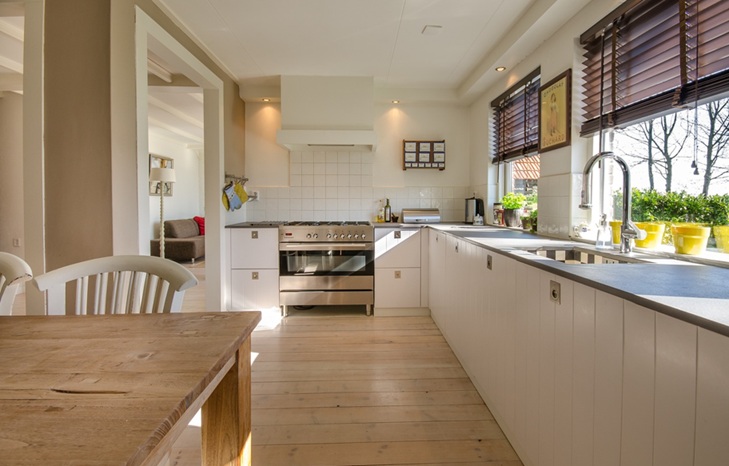
Planning a condo renovation Toronto can feel overwhelming, but you can navigate permits, condo board rules, and tight layouts with a clear plan and the right team. A well-managed renovation that follows Toronto’s condo regulations and focuses on smart layouts will boost your comfort and property value without unnecessary delays.
This article walks through the essential steps you’ll need—from approvals and insurance to selecting materials—and shows practical ways to maximize space and return on investment in compact units. Expect straightforward guidance that helps you make confident decisions and avoid common pitfalls.
Essential Steps for Condo Renovation in Toronto
You need to secure approvals, set a realistic budget, choose a design that fits small-space living, and hire contractors experienced with condo rules and city permits. Each step affects timing, costs, and what work is allowed inside your unit.
Navigating Local Regulations and Condo Board Rules
Start by reviewing your condo corporation’s bylaws and renovation guidelines; these dictate permitted work hours, construction access, noise limits, and required forms. Request the unit alteration package from property management—this typically lists required drawings, proof of insurance, and indemnity forms.
Check City of Toronto permit triggers: structural changes, plumbing relocations, major electrical upgrades, and new gas lines often require permits. Submit drawings and scope to both the condo board and the city early to avoid delays. Document all approvals in writing and confirm inspection timelines.
Prepare a neighbour communication plan. Provide move-in/move-out schedules, stairwell protection, and a point of contact for complaints. Keep receipts of deposits or damage holdbacks required by the board.
Estimating Renovation Costs and Budget Planning
Create a line-item budget including materials, labour, permits, condo administrative fees, waste chutes or elevator booking fees, and a 10–15% contingency for unforeseen issues. Use recent local quotes for finishes (e.g., engineered hardwood, quartz countertops) to price realistically.
Get at least three written estimates from contractors that break out labour, materials, subcontractors, and permit handling. Compare unit-price items like floor removal per m² and plumbing fixture replacement per fixture. Account for time-based costs such as extended condo fees or alternate accommodation if work displaces you.
Track spend against milestones and approve change orders in writing. Reserve funds for mandatory inspections and potential condo-mandated repairs to common elements affected by your work.
Selecting Design Styles for Toronto Condos
Choose styles that maximize perceived space: light-coloured palettes, integrated storage, and open-plan sightlines work well in compact layouts. Prioritise durable, low-maintenance finishes—waterproof vinyl plank flooring and quartz counters suit Toronto’s seasonal humidity and resale market.
Plan the kitchen and bathroom layouts to minimize moving plumbing and electrical to reduce permit needs and costs. Use built-in storage, shallow recesses, and multi-use furniture to increase functionality without sacrificing flow.
Consider resale in Toronto neighbourhoods: contemporary neutral finishes appeal broadly, while high-end bespoke details fit luxury towers. Match ventilation and heating considerations to the building’s HVAC constraints, and confirm any appliance or hood upgrades with the board.
Finding Qualified Toronto Renovation Contractors
Look for contractors with explicit condo experience in Toronto; they will understand elevator scheduling, protection protocols, noise bylaws, and the city permit process. Ask for references from recent condo projects and check photos of completed units.
Verify licensing, WSIB coverage, and that the contractor carries at least $2 million in general liability (confirm amounts required by your condo). Require written contracts listing scope, payment schedule tied to milestones, warranty terms, and who pulls permits.
Confirm project management practices: daily site logs, designated superintendent, and communication routines with the condo management. Hold back a final payment until condo inspections and board sign-offs are complete.
Maximizing Space and Value in Condo Upgrades
Focus on targeted improvements that increase usable space and resale appeal. Prioritize durable finishes, functional layouts, and upgrades that comply with condo rules.
Modernizing Kitchens and Bathrooms
Replace bulky cabinetry with full-extension drawers and pull-out pantry inserts to improve access and storage density. Choose light-colored, low-maintenance quartz or engineered stone for countertops to resist staining and appeal to buyers.
Install a compact, high-efficiency dishwasher and a tankless or on-demand water heater where building bylaws allow; these save space and lower utility costs. In bathrooms, switch to wall-mounted vanities and recessed medicine cabinets to free floor area and create cleaner sightlines.
Upgrade plumbing fixtures to single-lever faucets and a thermostatic shower valve for precise control and longevity. Use large-format, neutral porcelain tiles on floors and walls to reduce grout lines and make small rooms feel larger. Confirm condo board approvals early for plumbing or electrical changes to avoid delays.
Optimizing Storage Solutions
Use custom millwork to fit storage into irregular nooks and ceiling-to-floor walls to maximize cubic footage. Include labeled zones—everyday items, seasonal gear, and cleaning supplies—to keep systems efficient and easy to hand off to buyers.
Install built-in wardrobes with adjustable shelving and integrated lighting to increase perceived value without sacrificing floor space. In the kitchen, choose appliances that multitask (microwave-convection ovens, induction cooktops with integrated ventilation) to reduce the number of standalone units.
Add shallow, deep drawers in place of lower cabinets to improve visibility and access. Consider multipurpose furniture such as a dining bench with lift storage or a Murphy bed with shelving to convert rooms quickly for different uses. Verify load limits and permit requirements for ceiling-mounted storage before installation.
Enhancing Natural Light and Views
Maximize daylight by removing heavy window treatments and replacing them with slim roller shades or sheer panels that maintain privacy while admitting light. If permitted, replace small windows with larger units or slimline frames to increase glass area and improve sightlines.
Use reflective surfaces—glass backsplashes, high-sheen cabinetry, and mirrors—strategically across the unit to bounce light into deeper spaces. Keep sightlines clear from entry to windows by arranging low-profile furniture and aligning seating to face views.
Choose warm, high-CRI LED lighting to complement daylight and maintain consistent color rendering during evenings. When altering windows or balcony doors, obtain condo board and building approvals and hire installers experienced with Toronto high-rise glazing standards to ensure airtight seals and proper insulation.