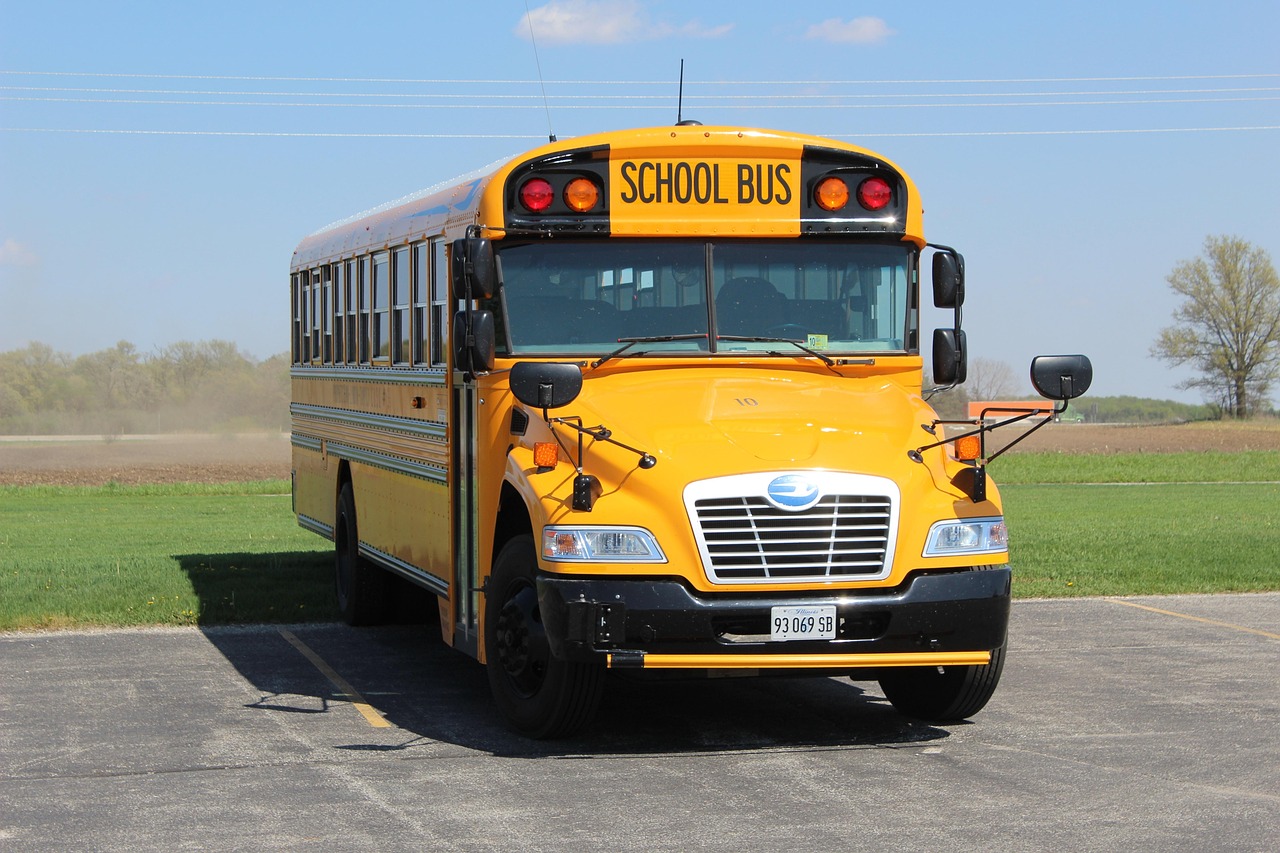
You rely on school bus transportation to get children to school safely, on time, and with minimal fuss. Understanding how bus transportation systems work, who qualifies for service, and what safety rules govern daily routes helps you make better decisions for schedules, enrollment, and emergency planning.
This article walks through how modern school bus networks operate, what affects eligibility and routing, and the key safety and regulatory measures that protect passengers. Expect clear, practical guidance you can use to evaluate service options, report issues, or request changes.
School Bus Transportation Systems
You will find systems that combine routing, vehicle maintenance, student tracking, and communication tools to keep routes punctual and safe. These systems prioritize safety protocols, route efficiency, and clear responsibilities among drivers, dispatch, and school administrators.
How School Bus Transportation Works
You start with route planning based on student addresses, bell times, and traffic patterns. Planners use routing software to assign stops, sequence pickups, and estimate trip times; many systems allow daily adjustments for events or weather.
Drivers follow assigned routes with onboard GPS and telematics that report location, speed, and engine data in real time. Student safety features—such as RFID or QR check-in, seat-belt monitoring, and two-way radios—confirm who boards and leaves the bus and provide immediate alerts for exceptions.
Dispatch monitors live telemetry and communicates route changes to drivers and parents through mobile apps or SMS. Maintenance schedules link to a CMMS (computerized maintenance management system) to track inspections, oil changes, and repairs so vehicles stay compliant with regulations.
Types of School Bus Services
Traditional fixed-route service picks students up at established stops and follows the same schedule daily. This model works best for regular school days and neighborhoods with many riders.
Door-to-door or curbside service covers students with special needs or in rural areas where fixed stops would be impractical. These routes often require additional training for drivers and individualized scheduling.
Shuttle and activity transportation supports after-school programs, sports, and field trips. These runs use flexible routing and sometimes different vehicle sizes; coordination with coaches, trip supervisors, and parents is essential.
Contracted services let districts outsource drivers, fleet maintenance, or entire operations to specialized vendors. Contracts should specify performance metrics: on-time rate, incident response time, and maintenance standards.
Key Stakeholders in School Bus Operations
You rely on district transportation directors to set policy, approve budgets, and oversee routing and vendor contracts. They coordinate with school leaders to align bus schedules with academic calendars and special events.
Drivers execute daily operations and enforce safety procedures on board. Your training programs for drivers must cover defensive driving, student management, emergency protocols, and use of onboard technology.
Dispatchers and fleet managers handle real-time operations and vehicle maintenance planning. They interpret telematics data, schedule repairs through CMMS, and manage spare vehicle pools to prevent service gaps.
Parents and students interact with tracking apps and notifications, report issues, and provide address updates. Your communication plan should offer clear channels for missed-pickup reports, delay alerts, and student-specific concerns.
Safety and Regulations in School Bus Transportation
You need to know how equipment standards, driver qualifications, and legal rules work together to protect students. These elements define vehicle design, operator competence, and the inspections and documentation that keep buses safe on each trip.
School Bus Safety Standards
Manufacturers must meet federal and provincial performance standards for crashworthiness, emergency exits, and seating. Expect reinforced sides, high-backed seats, and clearly marked, accessible emergency exits; some vehicles also include compartmentalization features and optional three-point or lap/shoulder belts depending on jurisdiction.
You should check that buses have working exterior lighting, amber/red warning lamps, cross-view mirrors, and functioning stop-arms with signage. Regular maintenance schedules, documented inspections, and service records are required to ensure brakes, tires, steering, and door systems remain within safe limits.
Regions often require special classifications such as Multifunction School Activity Buses (MFSAB) for extracurricular transport where stop-arm use differs. If your district adds seat belts, follow installation standards and policy for use, restraint type, and inspection to maintain compliance.
Driver Training and Qualifications
You must hire drivers who hold the appropriate commercial or special school bus licence with valid medical certifications. Drivers typically complete classroom instruction and in-vehicle training covering defensive driving, student management, emergency evacuation, and loading/unloading procedures.
Training includes vehicle-specific modules: bus size handling, mirror adjustment, blind-spot awareness, and proper use of stop-arms and crossing protocols. Many jurisdictions require periodic retraining, criminal-record checks, and ongoing driving-record monitoring to ensure fitness for duty.
Maintain up-to-date driver files with training certificates, background-screen results, hours-of-service logs, and medical exam records. You should enforce drug-and-alcohol testing policies and immediate reporting rules for collisions or serious incidents.
Regulatory Requirements for School Buses
You must register and license school buses according to provincial or state transport authorities and follow federal safety regulations where applicable. Compliance includes meeting vehicle construction standards, carrying mandatory equipment (first-aid kit, fire extinguisher, reflective triangles), and displaying identification and passenger capacity limits.
Inspections are mandatory at defined intervals; keep inspection certificates on file and remedy defects within prescribed timeframes. Permit and route approvals often require proof of insurance, approved child pickup/drop-off locations, and documented emergency response plans.
Recordkeeping matters: maintain maintenance logs, incident reports, driver qualifications, and route manifests for audit and liability purposes. Local agencies may impose additional operational rules for school zones, speed limits, and coordination with school boards or transportation consortia.