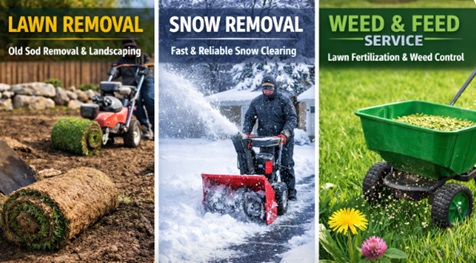
You can save time and strengthen your lawn by using weed and feed when you apply it correctly, at the right season, and with the right spreader. Weed and feed combines a fertilizer to boost grass growth with an herbicide to target common lawn broadleaf weeds, so it both feeds your turf and reduces competition from dandelions, clover, and similar invaders.
This article will help you understand how weed and feed works, when it actually helps versus when it can harm, and practical application tips to get consistent results without wasting product or hurting the environment. Follow clear, step-by-step advice on timing, lawn condition, and equipment so your yard looks healthier and you avoid common mistakes.
Understanding Weed and Feed
Weed-and-feed combines lawn nutrition with targeted weed control in one application. You’ll learn what the product contains, how it affects different weed types and grass, and which formulations fit your lawn size and timing.
What Is Weed and Feed?
Weed-and-feed is a combined product that contains fertilizer plus one or more herbicides. The fertilizer portion supplies nitrogen, phosphorus, and sometimes potassium to promote grass growth. The herbicide portion targets common broadleaf weeds and, in some formulas, grassy weeds or crabgrass.
You’ll find weed-and-feed in granular and liquid forms. Granular products often use slow-release nitrogen for steady feeding. Liquids can mix with spray rigs for large areas and sometimes provide faster herbicide action. Read the label to match the active herbicide to the weeds you have.
How Weed and Feed Works
The fertilizer component feeds grass to improve density and vigor, which helps shade out future weeds. The herbicide component interferes with physiological processes in weeds — for example, broadleaf herbicides commonly disrupt growth hormones, causing weed dieback. Timing matters: many products work best when weeds are actively growing.
Application technique affects results. Apply granular weed-and-feed with a calibrated spreader on a damp lawn to improve granule pickup. For liquid formulations, use correct dilution and even nozzle coverage. Follow label directions for mowing, watering, and temperature windows to avoid reduced effectiveness or turf injury.
Types of Weed and Feed Products
Granular weed-and-feed: Easy to apply with a broadcast spreader. Choose slow-release fertilizer blends for longer feeding and reduced burn risk. Granules suit homeowners with small to medium lawns.
Liquid formulations: Require a sprayer and often deliver faster herbicide action. Liquids cover uneven terrain well and let you mix specific herbicides for targeted control. Use on larger properties or for spot treatments.
Organic and selective options: Some products use natural fertilizers and organic herbicides or rely on selective synthetic herbicides that spare certain grass species. Selective formulas target broadleaf weeds without damaging desirable turf, while nonselective products kill most vegetation and are for spot treatment only. Choose based on grass type, weed species, and environmental preferences.
Application and Best Practices
Apply weed-and-feed when grass is actively growing, weeds are present, soil moisture is moderate, and forecasts show no heavy rain for 24–48 hours. Use correct product rates, calibrate your spreader, and avoid treating newly seeded or stressed turf.
When to Apply Weed and Feed
Apply pre- or post-emergent formulations at specific seasonal windows. For cool-season grasses (fescue, rye, bluegrass), treat in early spring when daytime temps consistently reach 55–65°F for broadleaf control, and again in early fall for perennial weed control. For warm-season grasses (zoysia, bermuda, St. Augustine), apply in late spring to early summer after active green-up.
Check that weeds are young and actively growing; herbicides work best on small plants. Avoid application during drought, extreme heat above 85°F, or when turf is newly seeded (usually wait 6–8 weeks) or recently sodded (follow product label).
Step-by-Step Application Guide
- Read the label: confirm turf type, weeds listed, rate, and re-entry intervals.
- Calibrate your spreader: set it to the manufacturer’s recommended number and test on a driveway to match output.
- Prepare lawn: mow to normal height 2–3 days before, remove debris, and ensure soil is slightly moist but not saturated.
Broadcast granules evenly, overlapping passes to ensure coverage without double-applying. Water lightly (0.25–0.5 inch) after 24 hours if label requires activation; do not water immediately unless directed. Note safety: wear gloves, long sleeves, and avoid treating when windy; keep children and pets off treated areas until dry or per label timing.
Common Mistakes to Avoid
Do not over-apply; excess fertilizer/herbicide can burn grass and harm soil biology. Follow label rates precisely and avoid “double-dosing” by treating adjacent zones the same day.
Never apply weed-and-feed to newly seeded lawns or stressed turf; doing so can prevent germination or cause severe burn. Avoid treating before heavy rain; products can wash off and contaminate waterways.
Don’t assume one product fits all weeds or grasses. Match the herbicide type (selective vs. nonselective, pre- vs. post-emergent) to your weed spectrum and turf species.